
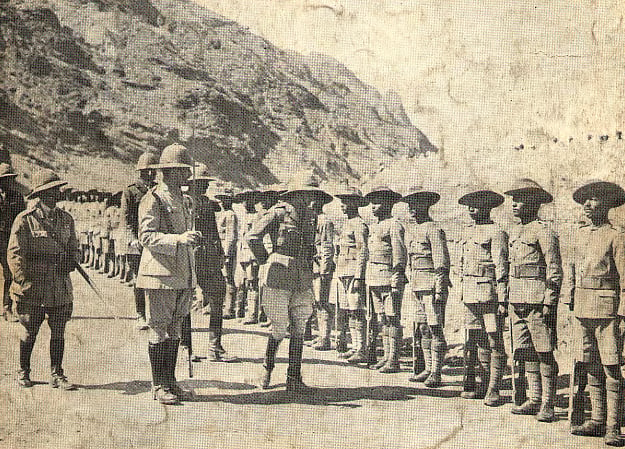
On 21 June, Himal organised a discussion in Kathmandu entitled "To Fight Or Not to Fight: Nepalis in Foreign Uniform." Below is a summary of the discussion in the five-hour session. All statements have been shortened for reason of space.
Panelists:
Vidya Bir Singh Kansakar, population geographer: During the transition to Indian independence, Jawaharlal Nehru only reluctantly agreed to allow the British to retain Gurkha battalions. For its part, the Rana government wanted recruitment continued. The British, finding it very expensive to garrison the colonies, made use of the Gurkhas. Without examining the documents of the Tripartite Agreement of 1947, it is pointless to discuss the future of the Gurkhas. The treaty papers, particularly the annexures, have to be made public. Perhaps it is time to have bilateral agreements with India and the United Kingdom to replace the Tripartite Agreement. The recruitment of Gurkhas into foreign armies has often put the country in an uncomfortable position, such as during the Indo-Pak wars. Also, neither Malays nor Yemenis have warm feelings towards the Gurkhas. Internally, Gurkha recruitment has contributed to the rising aspirations of the ethnic minorities.
As for the term "mercenary", it cannot apply to Gurkhas because they are bound by bilateral treaties between sovereign governments. If they are mercenaries, then so are Nepalis who work abroad for United Nations and other agencies. Rather than argue over such issues, it would be more useful to try to get maximum facilities for the Gurkhas and to try to seek equality in basic pays and pensions.