
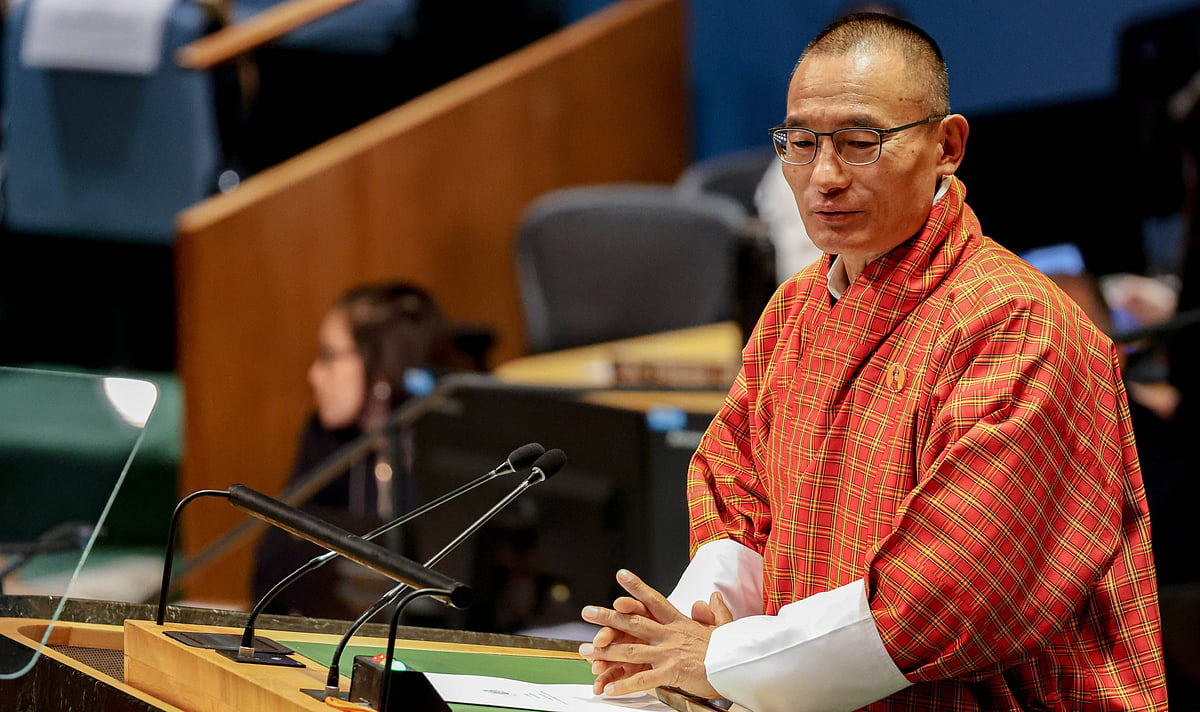
BHUTAN IS famously known as the “Kingdom of Happiness,” a reputation built in part on its pioneering Gross National Happiness index, a novel approach to measuring societal progress that doubles as an effective public-relations slogan. Yet, not all is well in the Land of the Thunder Dragon. Rising out-migration, economic stagnation, the collapse of tourist arrivals since the Covid-19 pandemic and allegations of ethnic cleansing have cast a long shadow over its carefully cultivated image. These complex challenges demand a skilled approach to political leadership, a topic explored by Bhutan’s prime minister Tshering Tobgay in his new book, Enlightened Leadership: Inside Bhutan’s Inspiring Transition from Monarchy to Democracy.
Tobgay has served as the prime minister of Bhutan since January 2024, returning to the role after a previous term from 2013 to 2018. He is the co-founder and leader of the People’s Democratic Party, Bhutan’s first-ever officially registered political party. His book was written “for leaders from all backgrounds and at all levels who want to change for the better and are looking for a compassionate philosophy to bring the right people together in consensus rather than conflict.” Tobgay believes that people around the world can learn from the success of Bhutan and can transform their societies for the better. As he explains, “As we embark on this enlightening voyage, I hope you’ll find inspiration and motivation to create positive change in your own life and community.”
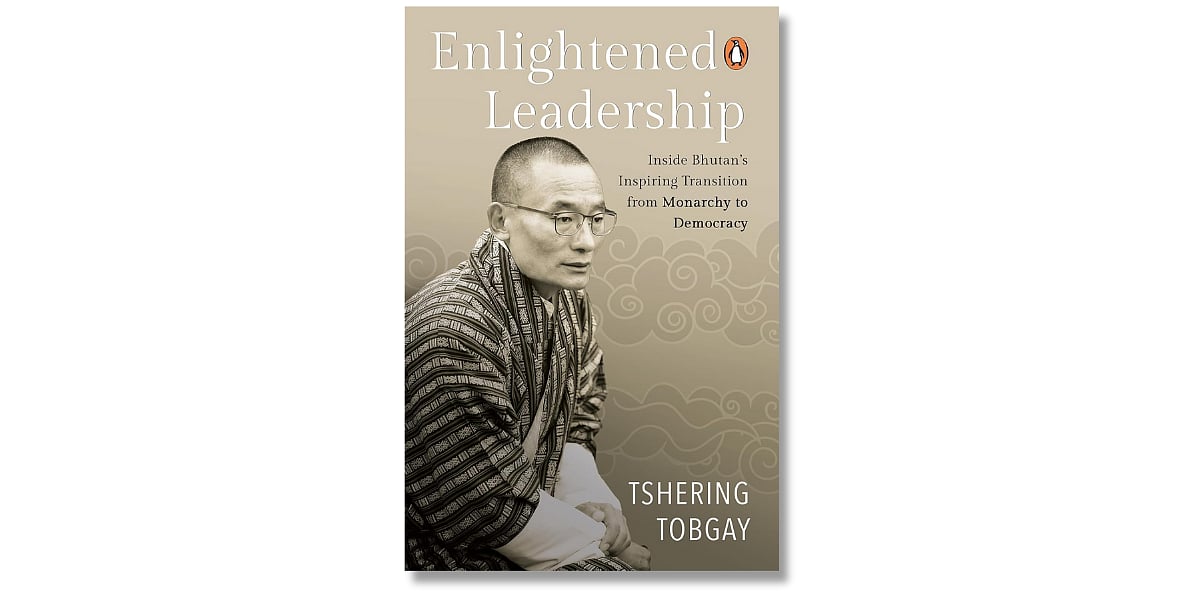
The first section of Enlightened Leadership details Tobgay’s early life, chronicling his personal and political journey. Born in Kalimpong, in the Indian state of West Bengal, the oldest of six boys, Tobgay spent his childhood at Dr Graham’s Homes, a boarding school in the hill town. By his own admission, his family was relatively well off. His father was an officer in the Royal Bodyguard of Bhutan, the elite unit responsible for the safety of the Bhutanese royal family. He states with pride that his father captured the assassin who killed Jigme Palden Dorji, the first prime minister of Bhutan (appointed by the king, not elected), in 1964 – an act that earned him a transfer to the prestigious Royal Bodyguard unit.