
(This article is part of our special package on Myanmar. Read more articles here.)
The rains are here, and the seas are rough, so the sails are drawn down. But once the monsoon recedes and the storms fade, the waters turn calmer in the Bay of Bengal. Boatmen will unfurl their sails to mark the beginning of another season. The fishing trawlers, shuluks, and shampans, which dot the world's longest stretch of uninterrupted beach from Chittagong to Shah Porir Dwip, will begin carrying goods to small ports along the sea, as traders and seafarers have done for centuries, from the time when the seas and places did not have names by which they are known today.
Some of the boats will be carrying people. Some will be passengers. Some will have paid thousands of dollars to intermediaries as they seek to escape poverty. Some will be captives of people smugglers who will take them to unknown places from where their relatives will be called and more money demanded, if they are to be set free. And many will be fleeing persecution.
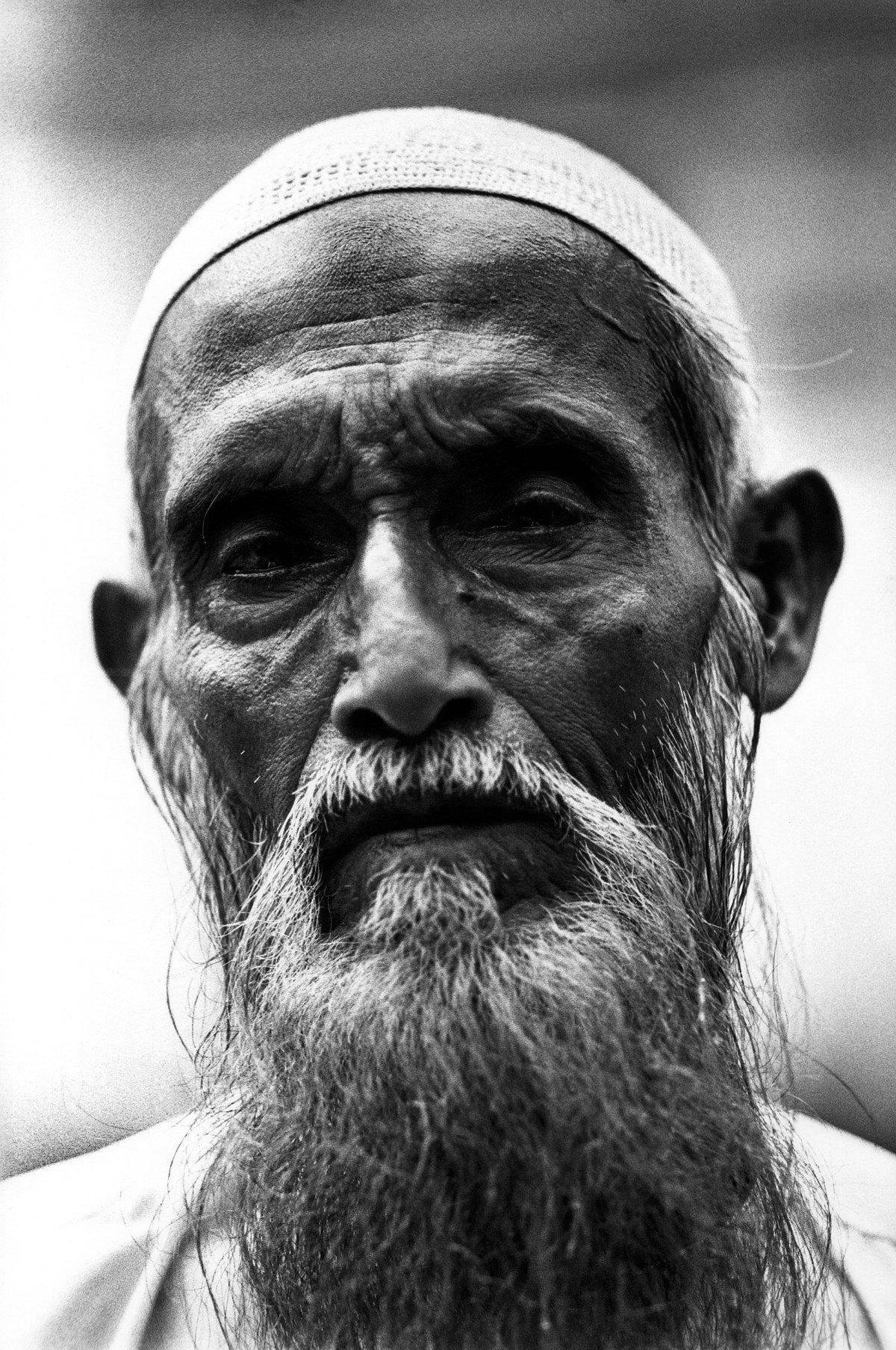
One group of people embodies all three misfortunes – they are desperate, some have been abducted, and almost all have been persecuted; they are the truly wretched of the earth. They are the Rohingya, or the people of Rohang, as they have called their home, which Myanmar today calls Rakhine and what the British earlier knew as Arakan.