
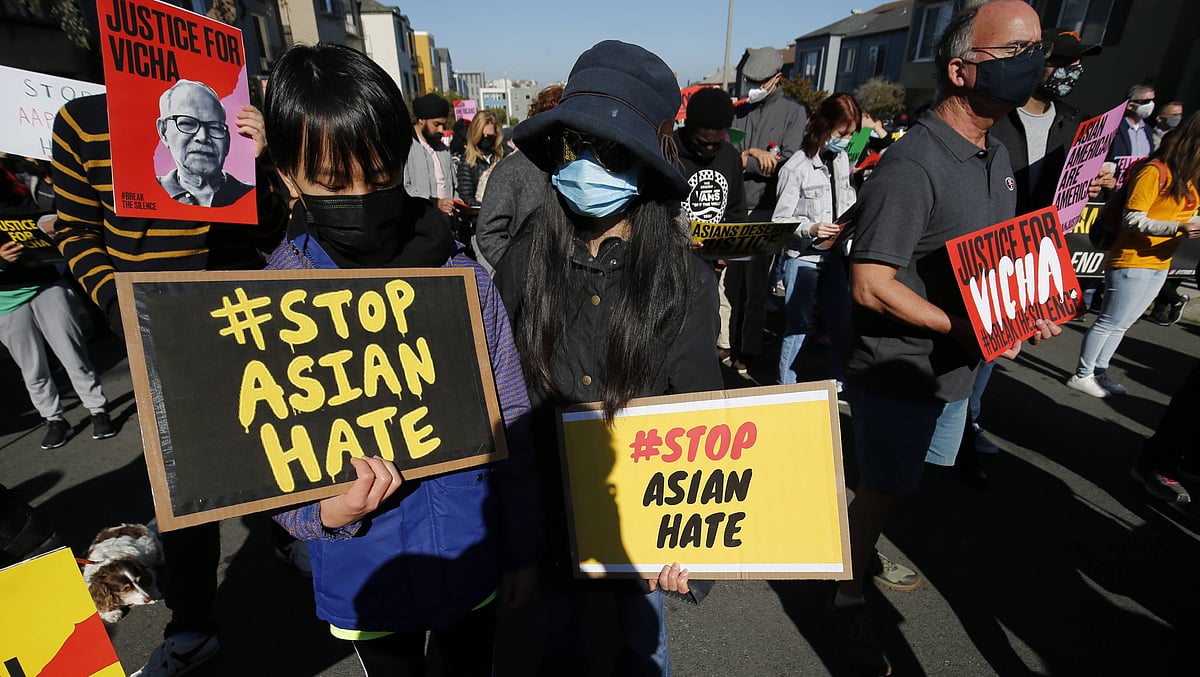
ON PAPER, Vidyan Ravinthiran and I are strikingly similar. We are both British Southasian writers, of Tamil descent, who immigrated to the United States. We both have backgrounds in academia and pursued graduate degrees at Cambridge. He now teaches in Harvard’s English department, from which I graduated not long ago. But there are also important distinctions: Ravinthiran is Sri Lankan; I am Indian. Importantly, his Sri Lankan Tamil identity is central to his self-conception as “hyperminoritised”. He is primarily an essayist and poet; I, a journalist and essayist. He arrived in the United States as a seasoned adult; I, as a child. But we both know what it’s like to grow up in predominantly white communities as visibly brown youth – he in Leeds, in northern England; I in Tucson, in the southwestern United States. We are in some senses then, per his memoir’s title, Asian/Other.
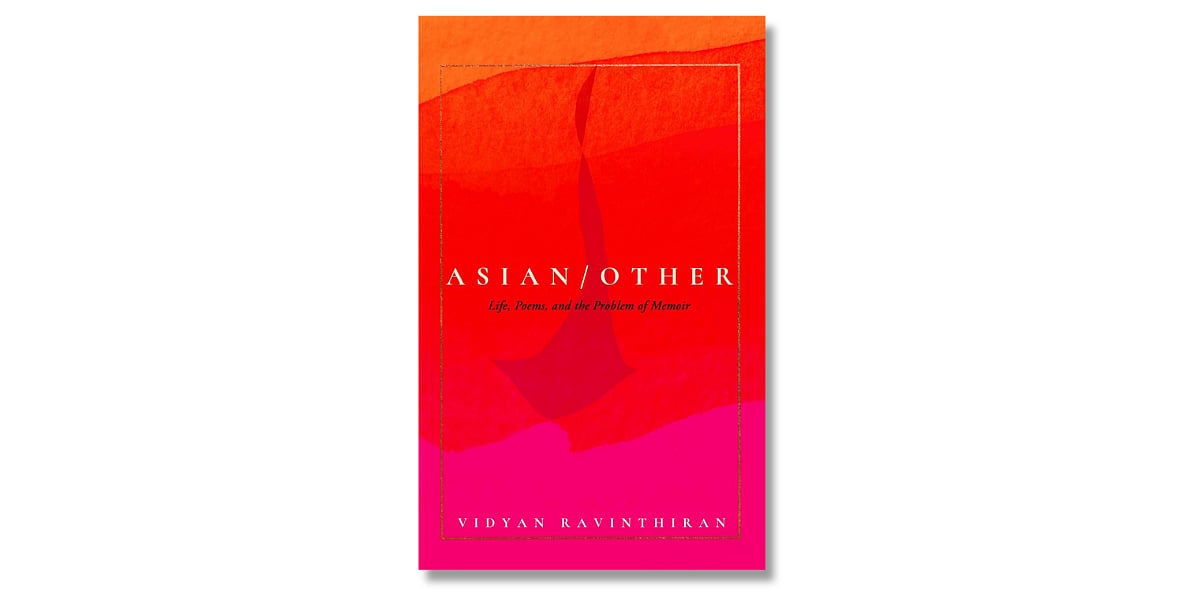
It is precisely this kind of relationality – the tethering of the self to another – that Ravinthiran seeks in Asian/Other. He explores his Sri Lankan-British-American identity (I only hyphenate these descriptors to emphasise their interconnectedness) through a medley of prose and poetry, splicing his own reflections together with the works of other writers through time: from the English poet John Keats to the contemporary Indian writer Biswamit Dwibedy. For Ravinthiran, these poets become interlocutors in his own ruminations on life and identity, and the memoir accordingly reads as a conversation encompassing a distinctive array of voices, establishing a relationality between and among them similar to the kind sought between narrator and reader.
The memoir unfolds on three levels. The first contemplates his childhood, reflecting on his growing up in England as the child of Sri Lankan immigrants. The second turns to the present, chronicling Ravinthiran’s adult life as the husband of a fellow writer, Jenny, and as the father of Frank, his autistic son. The third is literary-political-historical, inviting in poetry from other writers and contending with sociocultural issues – the toll of the pandemic, the indignities of racism, and the legacy of disenfranchisement faced by minority Tamils at the hands of the Sinhalese Buddhist majority in Sri Lanka, which culminated in a nearly three-decade civil war.