
In mid-March 2020, social-media posts began flagging the return of wildlife to public spaces deserted due to the spread of COVID-19. Swans, dolphins and elephants drunk on corn wine received millions of likes before being debunked. Footage of an endangered Malabar civet on a street in Kozhikode was shared over a thousand times before an Indian Forest Service officer pointed out it was actually a small Indian civet.
Although there was much discussion about the fake videos and the whimsical responses they triggered, the underlying issue they reflected – our desire to see a reduction in environmental harm – was not adequately discussed. The common intuition, that the air is cleaner, and the environment better off as a result of reduced economic activity, was rarely evaluated.
For Southasia, the impact of air pollution can be serious. According to a 2019 report by Swiss air quality technology company IQAir, cities in India, Pakistan and Bangladesh are among the most polluted in the world.
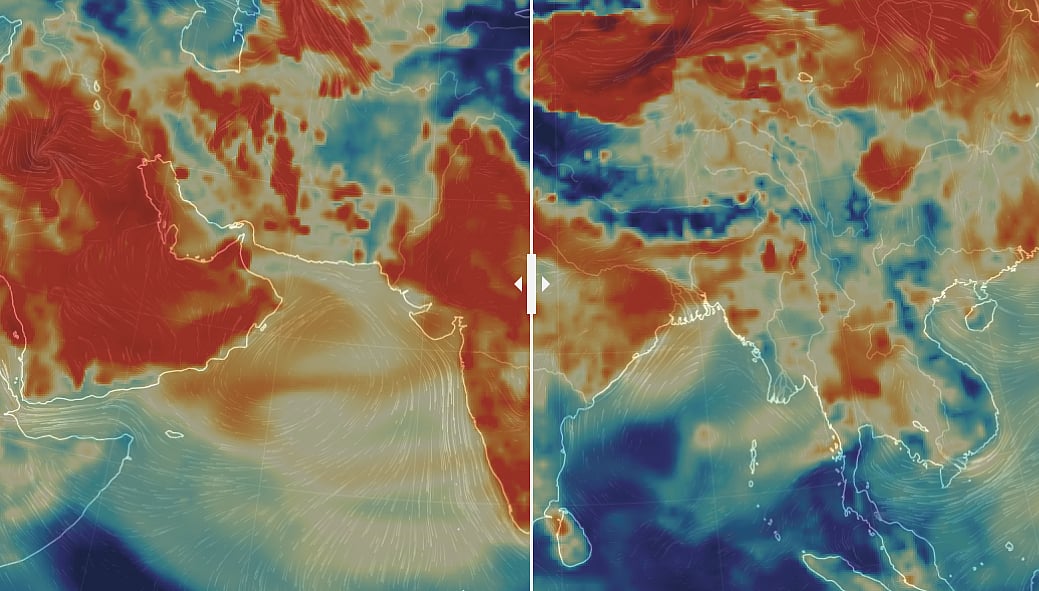
As governments imposed lockdowns and curfews to prevent the spread of COVID-19, there has been a noticeable impact on the environment.