This week in Himal
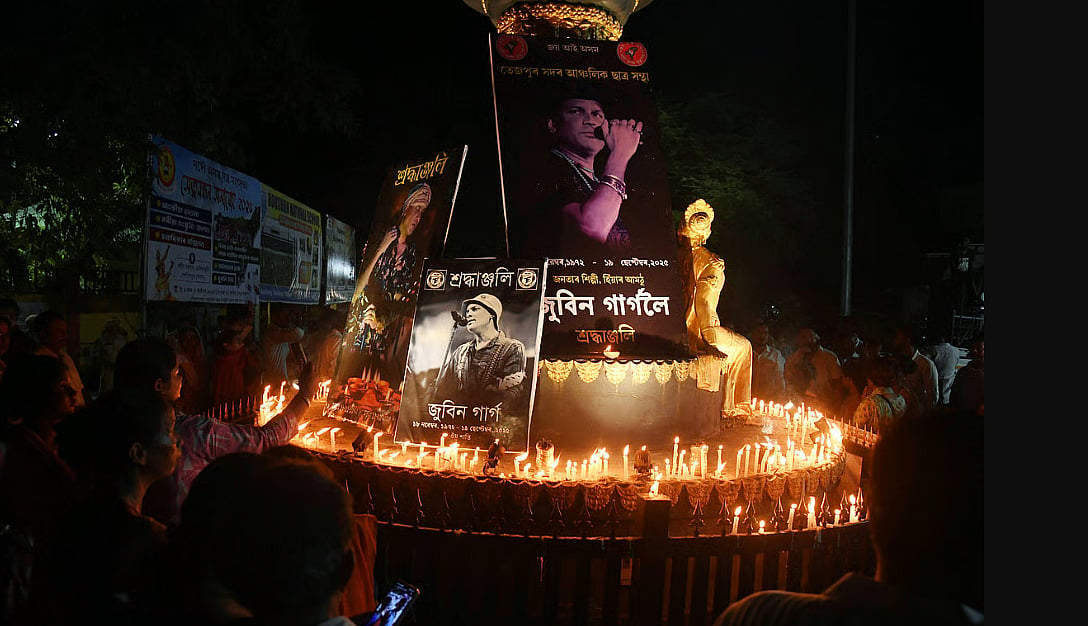
Sanjoy Hazarika writes about the unifying legacy of Assamese musical icon Zubeen Garg, bringing together Hindus and Muslims, and the rich and poor across India in the weeks after his passing.
On the Saffron Siege podcast series in collaboration with Karwan-e-Mohabbat, feminist historian Tanika Sarkar and Harsh Mander discuss the role of women in the RSS and its reinforcement of patriarchy.
Coming up on the Southasia Review of Books podcast hosted by Shwetha Srikanthan, a conversation with Amrita Mahale about her new novel Real Life, a literary mystery set in the Himalaya that probes friendship, loss and redemption.
Also read: Ahmed Naish on Maldives’s controversial new media regulation law: State of Southasia #34
Also read: Podcast: Tanika Sarkar and Harsh Mander on the RSS, Hindutva and women
Also read: Zubeen Garg’s eternal lessons for Assam and India
This week in Southasia
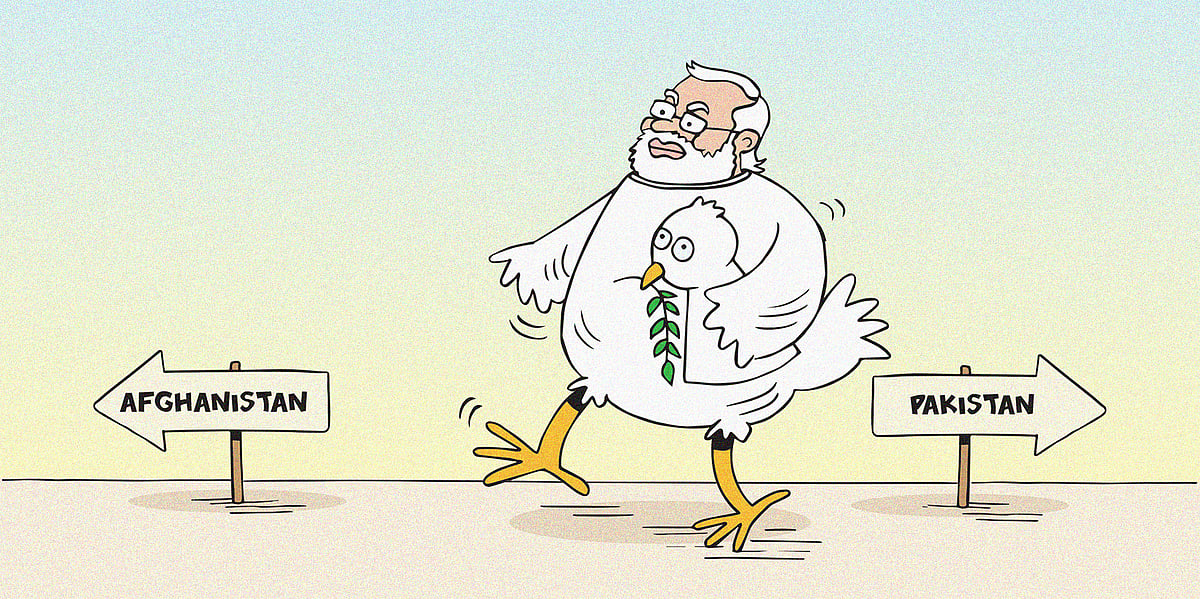
Border clashes between Afghanistan and Pakistan as India engages with Taliban
On 15 October, a 48-hour ceasefire was announced between Pakistan and Afghanistan. The two countries’ troops have been intermittently exchanging fire since 11 October, with both sides claiming to have inflicted significant casualties. Amidst the violence, at least a dozen civilians have lost their lives. The clash was triggered by accusations of airstrikes in Kabul targeting the Tehreek-e-Taliban (TTP) last week, with the Pakistani army killing 30 militants. Afghanistan said the attacks violated their sovereignty. The ceasefire, effected in part by pressure from regional neighbours and prospecting powers like China, has so far been respected.
The conflict coincides with India’s intention to re-open their embassy in Kabul for the first time since the Taliban took power. Last week, the Taliban’s foreign minister paid a visit to India’s minister of external affairs, making major inroads for the two countries’ burgeoning diplomatic relations. The move to reestablish the embassy faces scrutiny from some international bodies, including female journalists in India, who were recently excluded from attending a forum with the Taliban’s foreign minister at the Afghan Embassy in Delhi (a second meeting within 48 hours revised this gender imbalance). The Indian government’s accommodation of the Taliban, including its offers of investment in mining sectors, is seen by some analysts as a means of countering Pakistan’s influence in Afghanistan. Meanwhile, Pakistan’s defense minister has alleged that the two countries’ engagement indicates India’s sponsorship of the Taliban in a ‘proxy war’.
Given this, Salman Rafi Sheikh’s articles from November 2023 and February 2025 are worth revisiting.
From the archive
Also read: Disillusioned with the Taliban, Pakistan reverses its four-decade Afghan policy
Elsewhere in Southasia
- Factory fire in Mirpur, Bangladesh leaves at least 16 dead, reviving conversations about lax safety standards and poor infrastructure
- At least 19 people die in private bus fire in Rajasthan, India after suspected short circuit in air conditioning system
- Eleven petitions filed over the legality of Nepal’s interim government ahead of swearing-in of four new ministers
- Typhoid immunisations destined for 50 million children in Bangladesh underway in nationwide door-to-door campaign
- Five people, including one bystander, lose their lives at anti-Israel demonstrations in Muridke, Pakistan after far right Islamist group opens fire
- New Human Rights Watch report details role of inadequate taxation in exacerbating poverty in Sri Lanka, leading to underfunding of public education and other key services
- US congressional committee investigates Elon Musk’s Starlink for allegedly providing unlicensed internet service to militia-run scam centres in Myanmar even after compounds pressured to disband in February
- Google announces construction of largest AI data centre outside of US to date in Andhra Pradesh, India
Revisit some of our archival stories adding more context to some of this week's news updates from Sri Lanka and Bangladesh
Also read: The deep roots of Sri Lanka’s economic crisis
Also read: Scandalising the supply chain
Snap Southasia
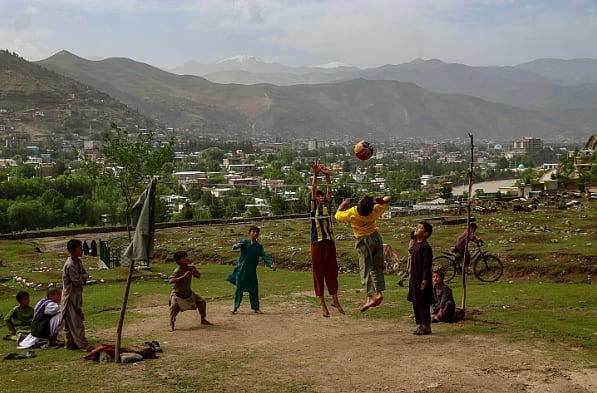
Where in Southasia was this photo taken? Click on your guess below!
Peshawar, Khyber Paktunkhwah
Leh, Ladakh
Fayzabad, Badakshan