
Last month, as we prepared to fly into Kathmandu, our colleagues from Nepal warned us to prepare for rain, and we packed umbrellas and raincoats. As it happened, we only experienced one evening of heavy rain during our stay. This week, as news updates rolled in about flooding across Nepal and other countries, I recalled how swiftly the alleys in Kathmandu filled with water, receding just as swiftly in a few hours. Unfortunately, that wasn’t the case this week. The floodwaters caused heavy damage.
This week saw 24 people lose their lives while attending a candlelight vigil in Myanmar thanks to a paraglider bomb attack, gun-battles along the Pakistan-Afghanistan border and eight people arrested in the Maldives at a protest organised by the opposition Maldivian Democratic Party, while all eyes were on over 40 vessels who collectively tried to break Israel’s cruel aid blockade on Gaza, with Bangladeshi activist and photographer Shahidul Alam among hundreds of activists detained by Israeli military. While each of these stories will make headlines and front pages, there is often less coverage given to the impacts of climate change, especially in the aftermath of a political and economic crisis. That’s why you should support independent Southasian journalism – so we can keep making these connections and keep the spotlight on underreported issues long after they have faded from headlines.
This week in Himal
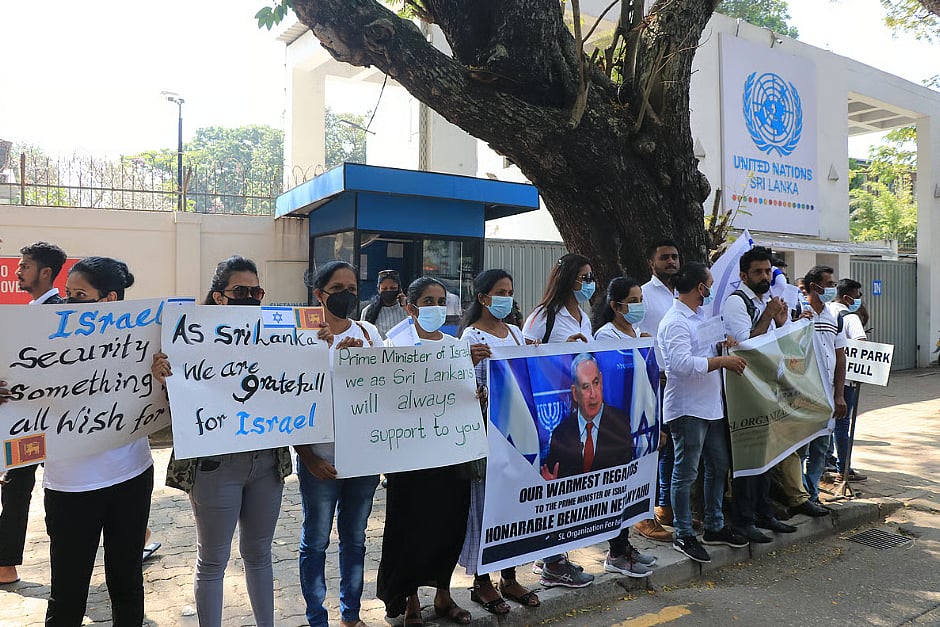
Tisaranee Gunasekara writes about growing Israeli influence and a resurgence of anti-Muslim sentiment in Sri Lanka stoked by pro-Israeli groups and Buddhist extremists, with Muslim activists highlighting Israel’s atrocities in Gaza increasingly targeted by the Sri Lankan state.
On the Saffron Siege podcast series in collaboration with Karwan-e-Mohabbat, writer Aakar Patel and journalist Rana Ayyub examine with Harsh Mander whether India under Narendra Modi has truly transformed into a Hindu Rashtra.
Did you miss our recent discussion on Southasia’s Youthquakes in Nepal, Bangladesh and Sri Lanka? You can now read an edited transcript of the discussion, co-hosted by Himal Editor Roman Gautam and peace activist Harsh Mander here.
Also read: Salil Tripathi’s portrait of Gujarati pride and contradictions
Also read: Aatish Taseer on exile and the idea of return: Southasia Review of Books podcast #34
Also read: Podcast: Aakar Patel, Rana Ayyub and Harsh Mander on Hindutva and the RSS under Narendra Modi
Also read: The growing dangers of Sri Lanka’s Israel nexus
This week in Southasia
The heavy cost of floods in Nepal
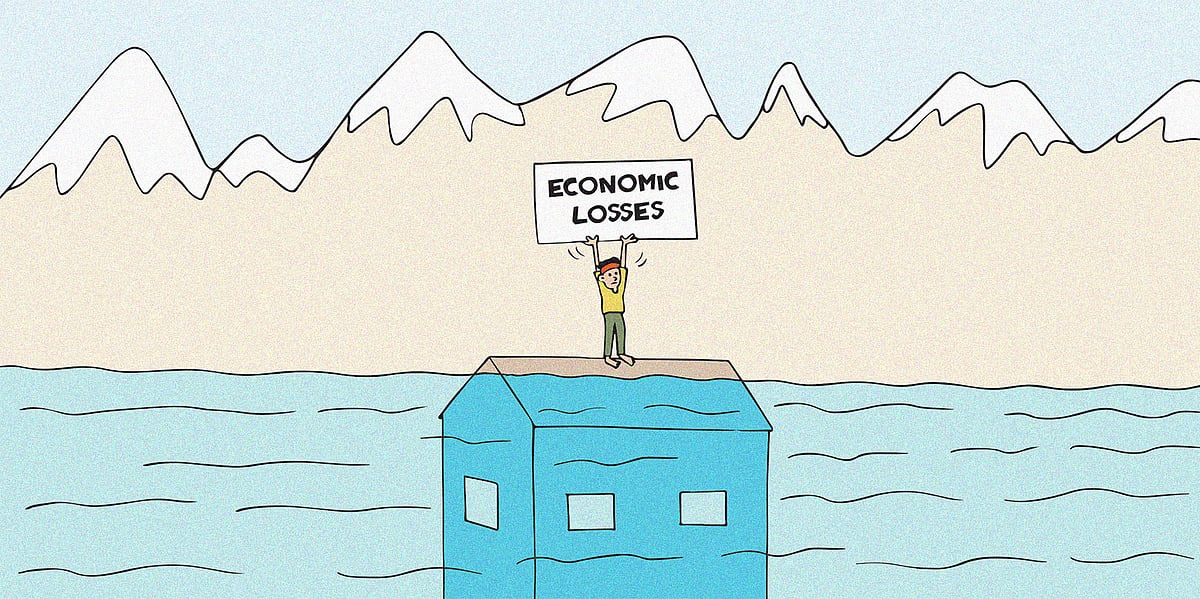
In Nepal, 60 people lost their lives due to landslides and flooding, after unusually heavy rainfall that began on 3 October. Flights were disrupted, and the Nepal government closed offices on Sunday and Monday, indicating the gravity of the situation. The Terai plains bore the brunt of the storm in Nepal, while across the border, 30 people lost their lives in Darjeeling and Bihar. Several residents of Phuentsholing in Bhutan were evacuated by helicopter due to rising water levels. Nepal’s interim government led by Sushila Karki responded quickly, issuing early warnings, ordering road closures and halting traffic on main roads and highways in advance of the flooding. And yet, Nepal’s Department of Roads estimated that the damage to roads and bridges alone could cost over NPR 4 billion.
The floods in Nepal come at a time of instability and political transition. The month before, young Nepalis took to the streets to protest corruption among the political establishment and the ban of social media platforms, leading to the resignation of prime minister K P Sharma Oli. While the protests were a reaction to years of bad governance, the damages to government services are estimated to cost NPR 3 trillion (over USD 21 billion) - around half of Nepal’s annual GDP. Around 10,000 Nepalis have lost their jobs, at a time when the youth unemployment rate is over 20 percent. Interim prime minister Sushila Karki will have to navigate these crises even as she tries to implement reforms and steer the country towards elections.
In light of this, Peter Gill and Bhola Paswan’s 2018 article makes for relevant reading, as it explores the Nepal government’s attempts to prevent flooding by building embankments, despite frequent breaches and corruption and cronyism among the private contractors who construct them.
Also read: Explainer: Why embankments won’t solve Nepal’s flood woes
Elsewhere in Southasia:
- Scholars and writers across the world call for the release of Bangladeshi photographer and activist Shahidul Alam and almost 100 activists detained by the Israeli military as they attempted to break the Israeli blockade on Gaza by sea
- Paraglider bomb attack carried out by the military kills at least 24 during Buddhist festival and candlelight vigil calling for release of political prisoners in the Sagaing region of Myanmar
- Landslide in Himachal Pradesh, India leaves at least 15 dead after passenger bus struck by debris
- Pakistan’s military clashes with Tehreek-e-Taliban Pakistan along Pakistan-Afghanistan border, 30 reported dead
- Eight people arrested at Maldivian Democratic Party-led anti-corruption protests; police employ sonic weapons for first time in country’s history
- Myanmar civil society organisations sue Norway-based telecommunications company Telenor for allegedly sharing sensitive customer data with military after 2021 sale to junta-linked Lebanese investment firm
- Proprietor of Sresan Pharmaceuticals arrested after cough syrup contamination results in 14 children’s deaths; Indian Supreme Court agrees to urgent hearing on the case
- Sri Lankan Navy detains 30 southern Indian fishermen for poaching in international waters
- Taliban foreign minister visits India for first time since coup in 2021, deepening bilateral ties although India has yet to formally recognise Taliban regime
- Bangladesh’s International Crimes Tribunal announces arrest warrants against Sheikh Hasina and 27 others in Awami League administration for enforced disappearances during her regime
- UN extends resolution to gather evidence of war crimes, human rights violations during Sri Lanka’s civil war, Sri Lanka rejects resolution
Revisit some of our archival stories adding more context to some of this week's news updates from India, Sri Lanka and Afghanistan
Also read: The Taliban is here to stay in Afghanistan – and the world must start engaging with it
Snap Southasia
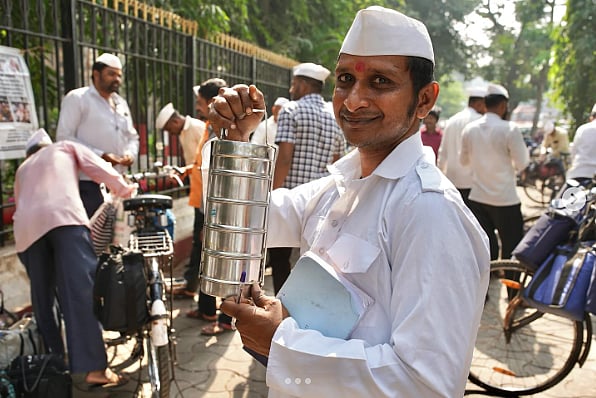
Where in Southasia was this photo taken? Click on your guess below!
Chawkbazaar, Dhaka
Churchgate, Mumbai
Nepal Ganj, Lucknow