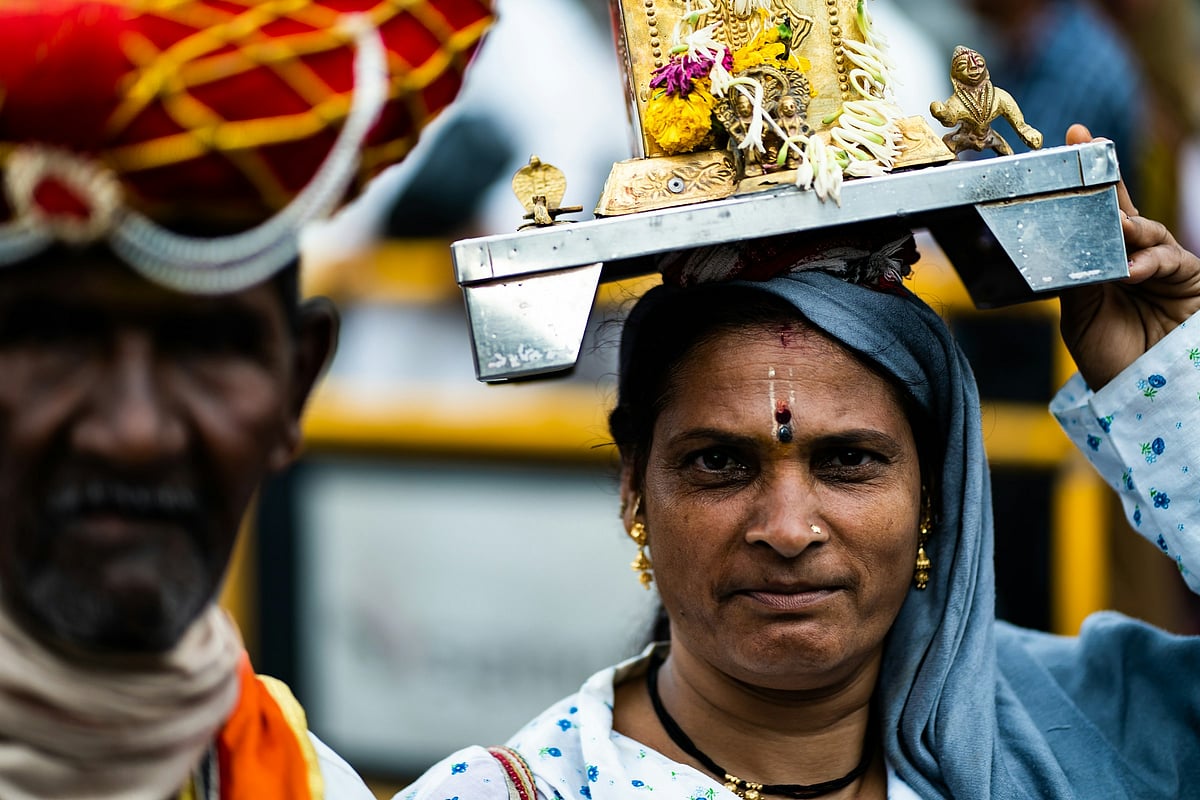
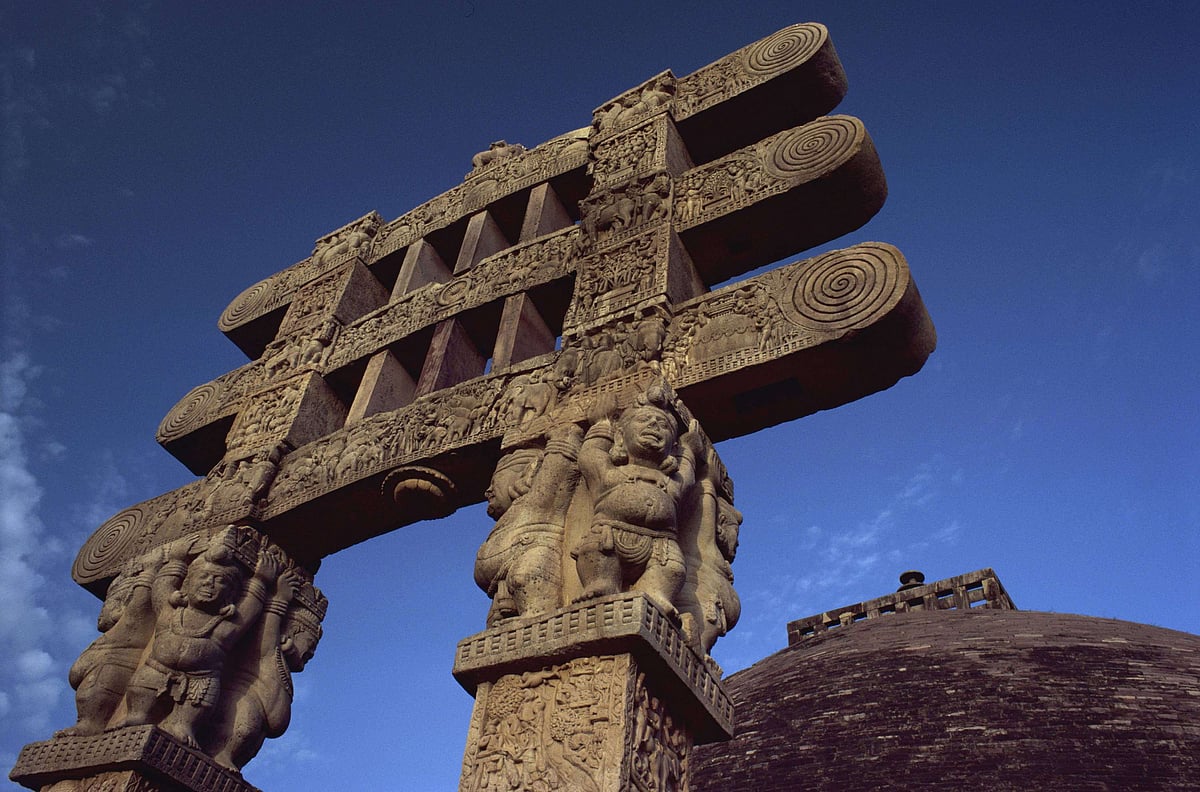
Namit Arora and Romila Thapar on how identities in early and medieval India were formed, contested, and why a shared sense of “Indianness” may be a colonial-era development
Last month, as we prepared to fly into Kathmandu, our colleagues from Nepal warned us to prepare for rain, and we packed umbrellas and raincoats. As it happened, we only
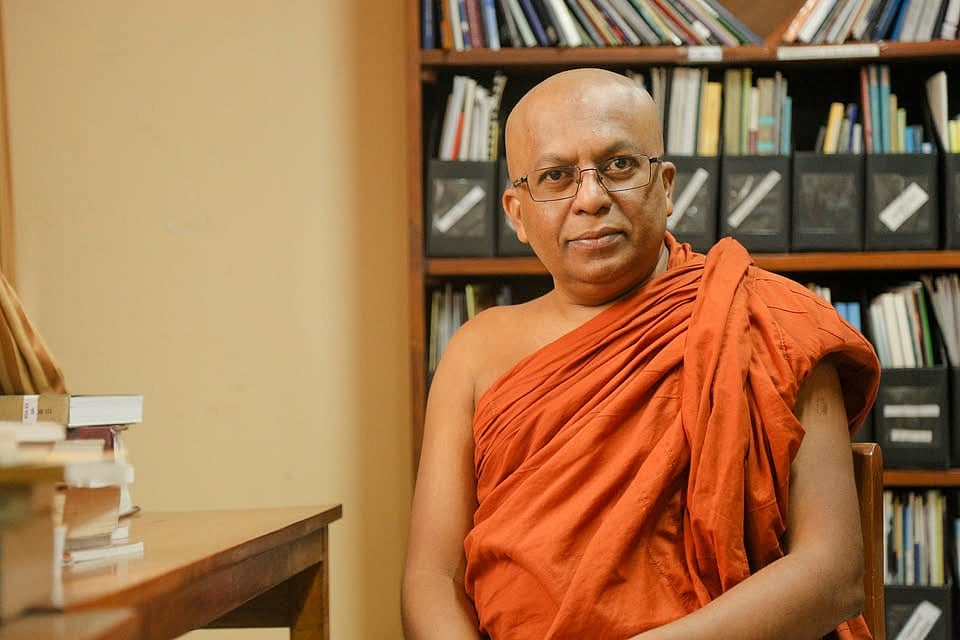
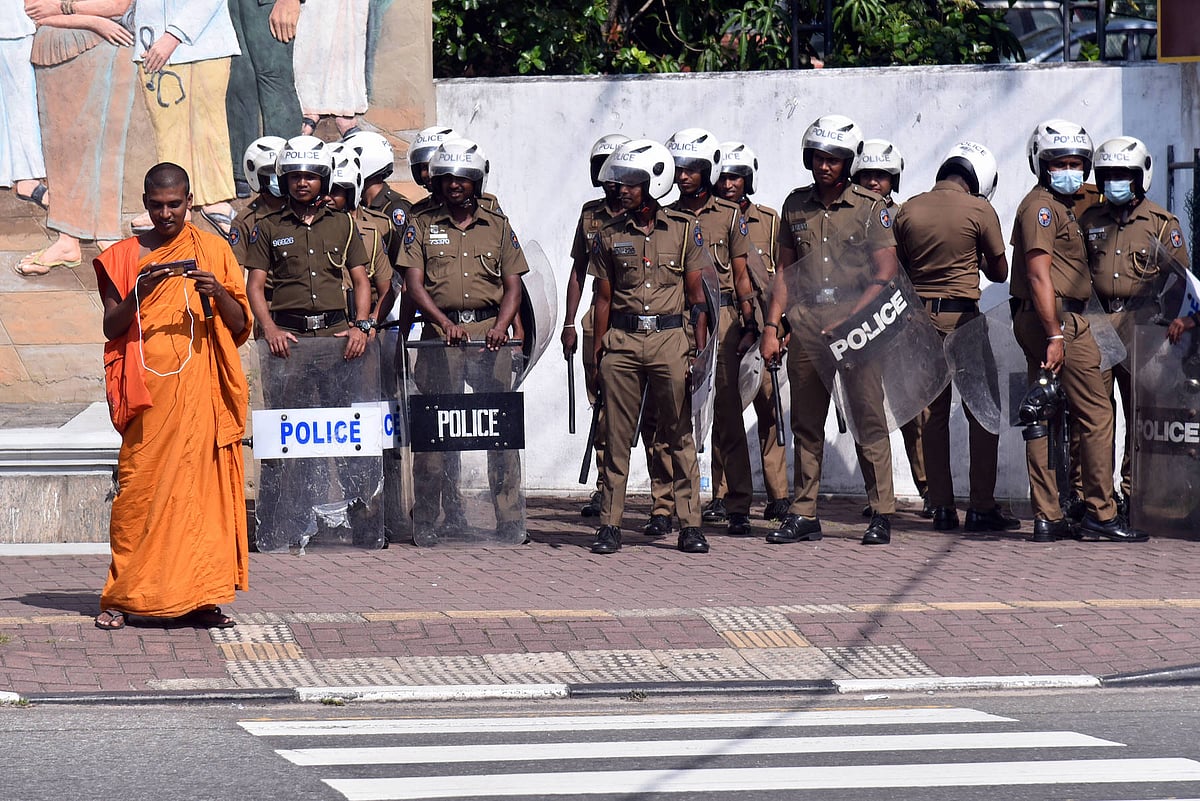
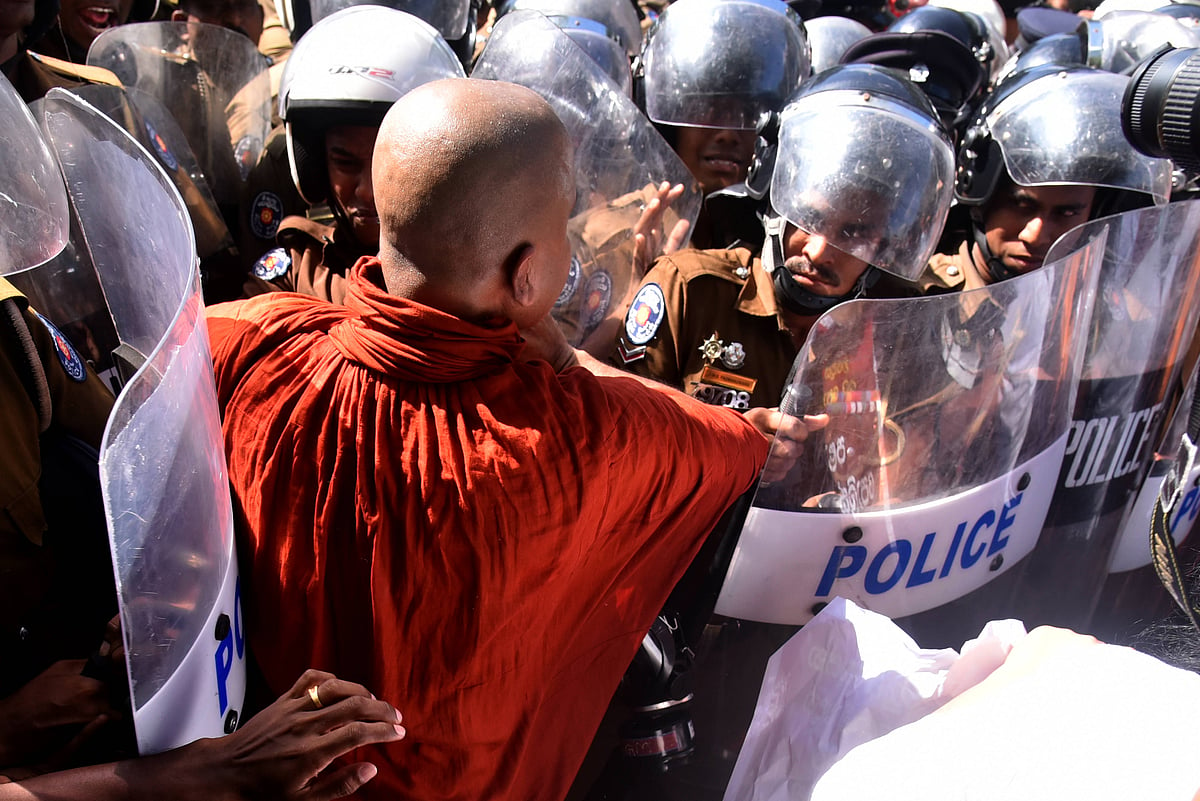
Galkande Dhammananda wants to heal Sri Lanka’s ethno-religious divisions, but can he change a long tradition of hardline Sinhala-Buddhist monks stoking hatred against Tamils and Muslims?
India and China’s close interactions over the centuries – literary or otherwise – make for important and interesting reference points, but much work needs to be done to address the failings and inadequacies of comparing the two
Political monks have been clamouring for a blasphemy law, and the sacral component of the oppressive Online Safety Act gives the Sinhala Buddhist clergy the weapon it wanted
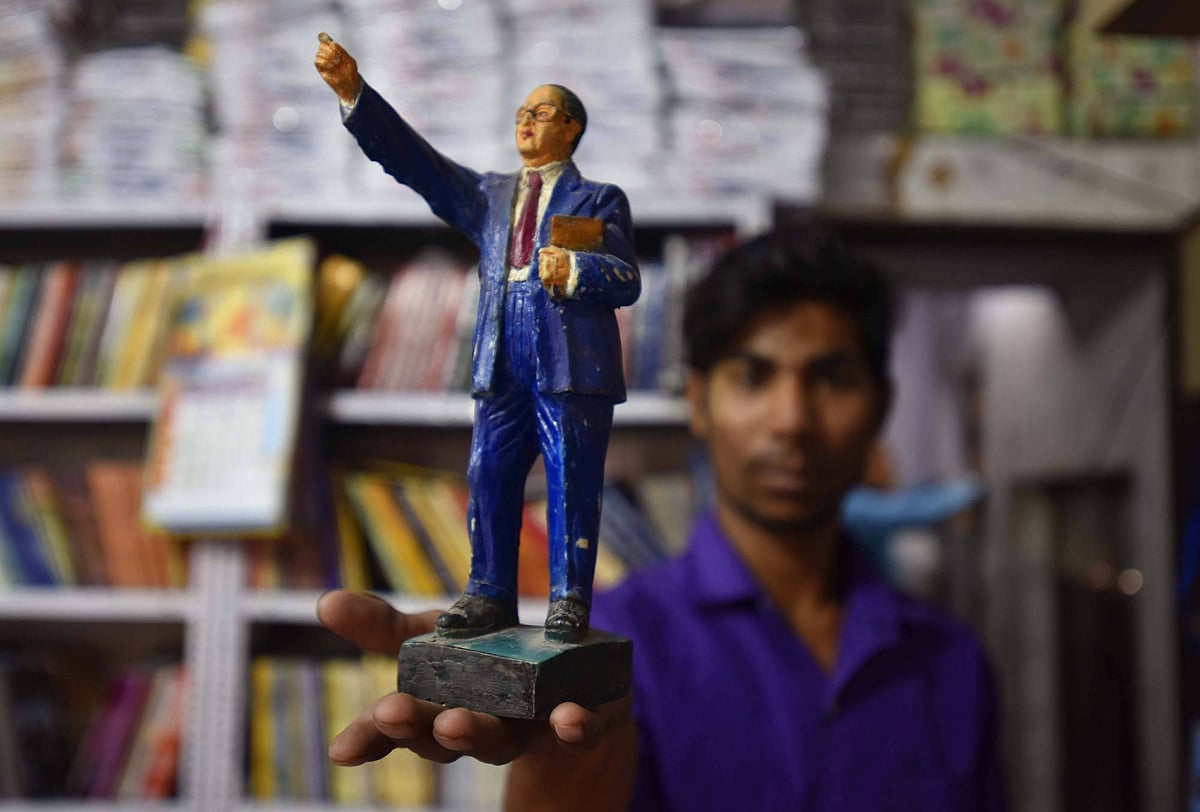
‘Dust on the Throne’ focusses on grossly overlooked aspects of Buddhism in Southasia and beyond, highlighting casteless and anti-caste legacies connecting ancient and modern Buddhists
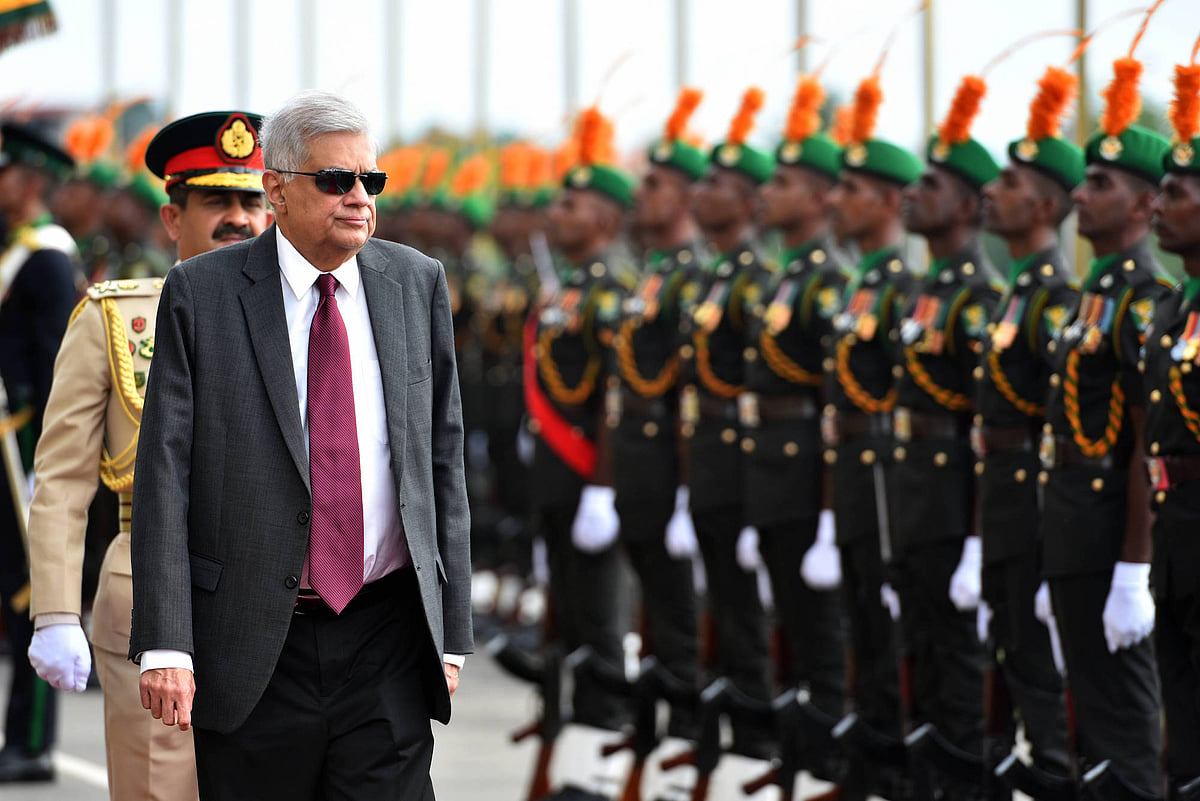
Repressive legislation such as the Bureau of Rehabilitation Act and the Anti-Terrorism Act follow naturally from the Rajapaksas’ post-war militarisation of Sri Lanka’s North and East
After the 2022 protests and the fall of the Rajapaksas, Sri Lankan monks are politically adrift and looking to project new threats – including Christians