
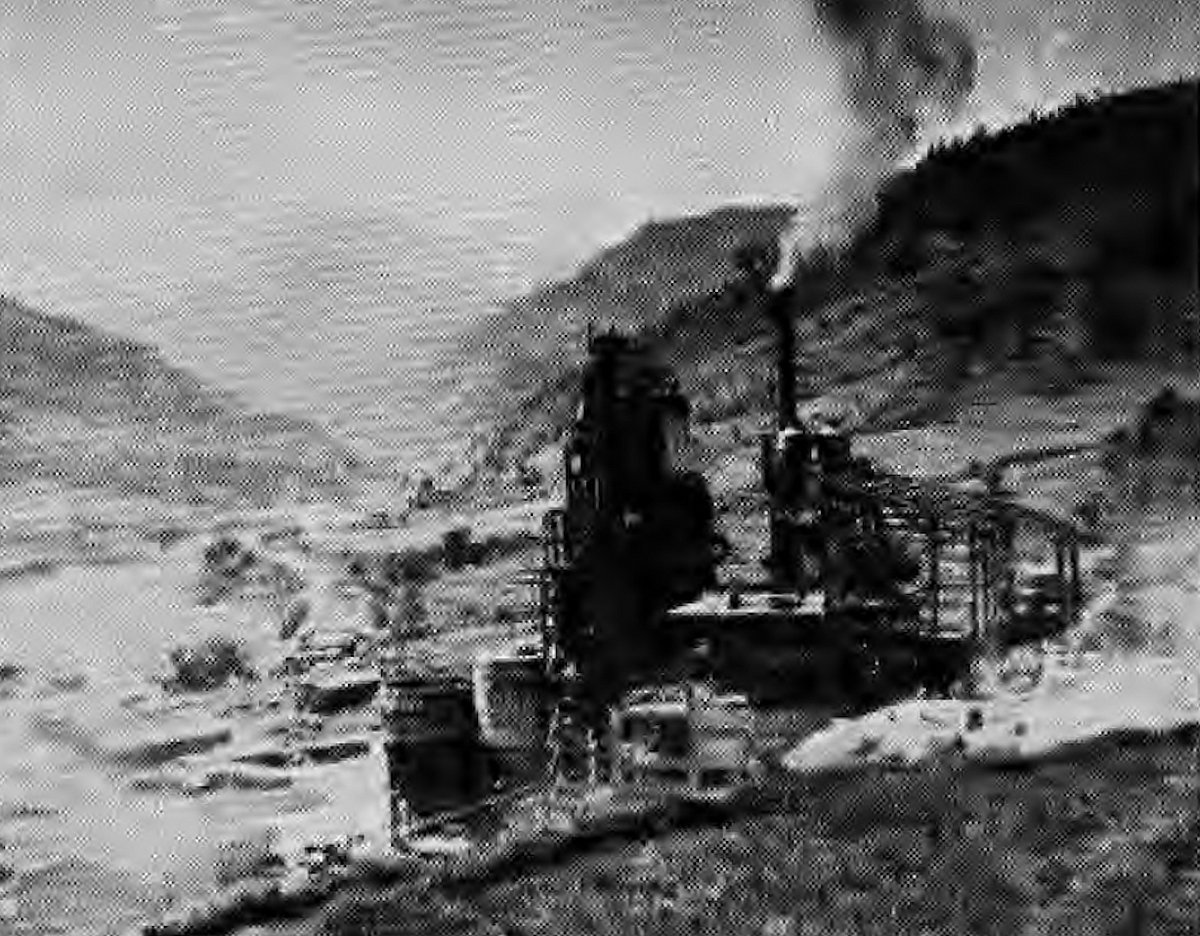
Mining in the Himalaya has never been easy. The staggering costs of digging underneath the world's loftiest mountains involve risks. And like mountaineers, only the most intrepid entrepreneurs have dared.
Despite persistent warnings against mining in the mountains, and lack of proper assessment of just who would benefit, mine shafts and open pits scar Himalayan flanks from Pakistan to Burma.
Unlike the Andes, the Himalaya's young and un-volcanic geology have deprived it of the gold seams and copper lodes that enrich parts of Peru, Chile and Bolivia. Noted Swiss geologist Toni Hagen, who traversed the Himalaya in the 1950s, didn't think our mountains had much of a mineral potential. Four decades later, he still has to be proved wrong. There is still no major mining industry in the Nepal Himalaya, though it is not for want of trying.
Mining deposits of iron ore have been tapped in the past to craft khukris and forge cannons for the Anglo-Nepal wars. Nepal's mountain rivers bear names of metallic ores (Tama Kosi, SunKosi). Deposits of iron on Phulchoki Hill southeast of Kathmandu, and the Those Mines in east-central Nepal have about 4.5 million tons of high-grade iron ore each, but they are not considered competitive enough for export to India because of the higher cost, particularly because of the need to import vast amounts of coal for the smelting process.