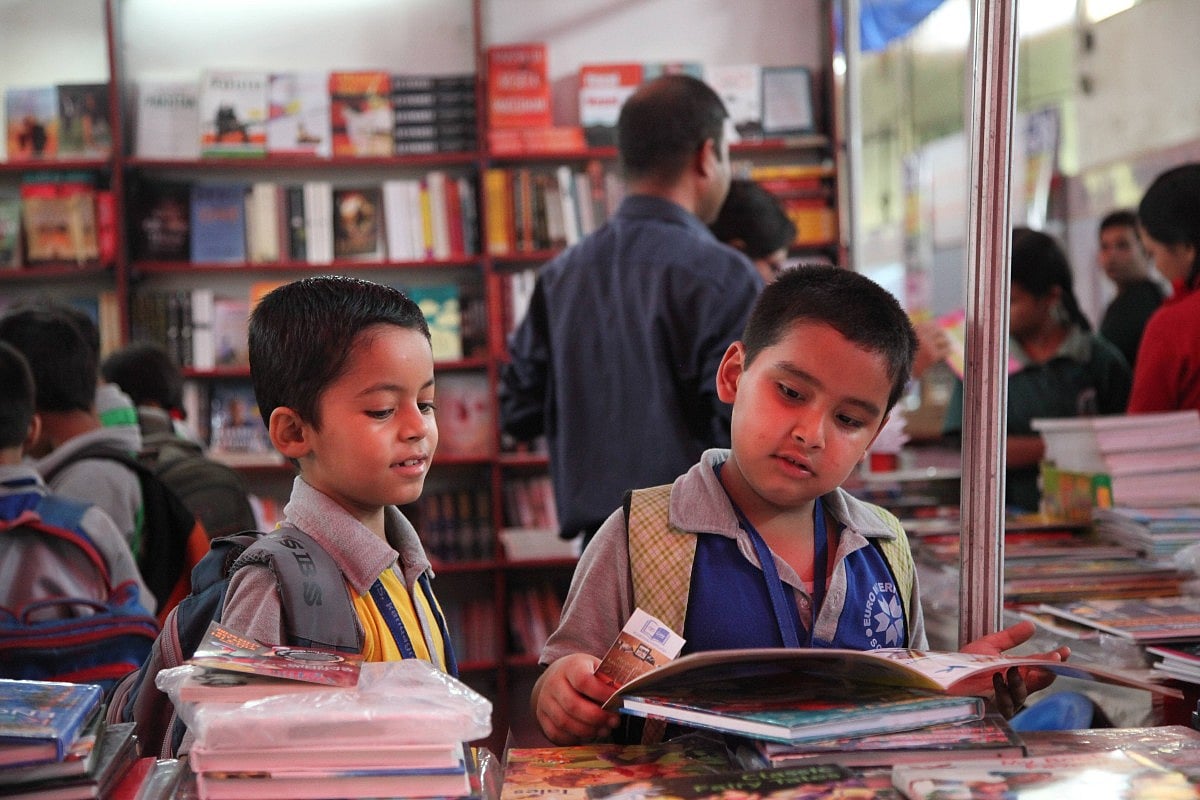
From Panchayat-era moralism to donor-driven publishing, and today a rising crop of local initiatives, the shifts in Nepal’s children’s literature reflect the difficult history of the country itself
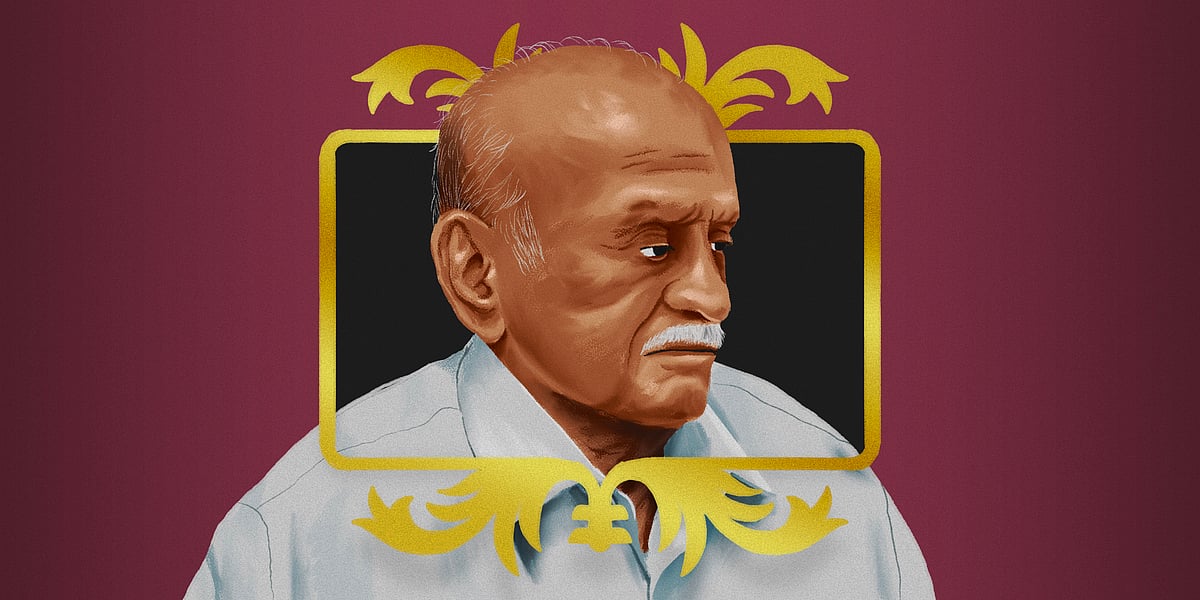
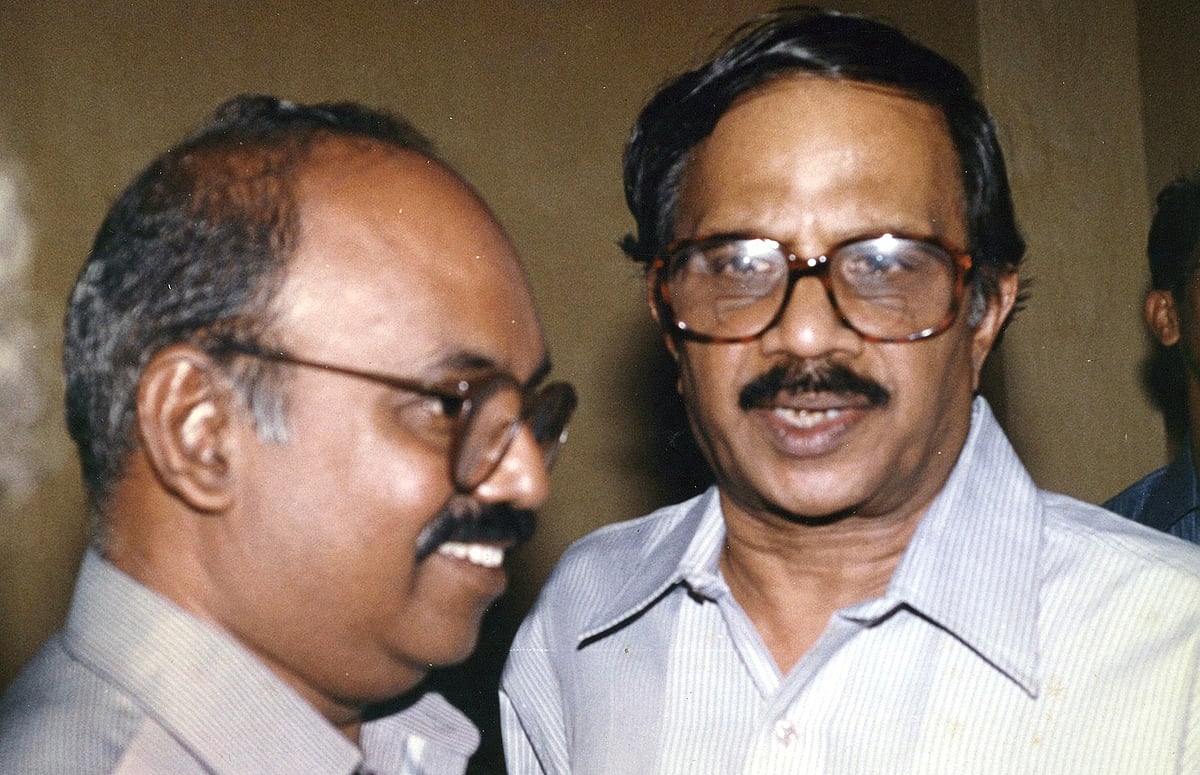
Excavating the intellectual and political convictions of M M Kalburgi ten years on from the Kannada scholar’s assassination by Hindu nationalist fanatics
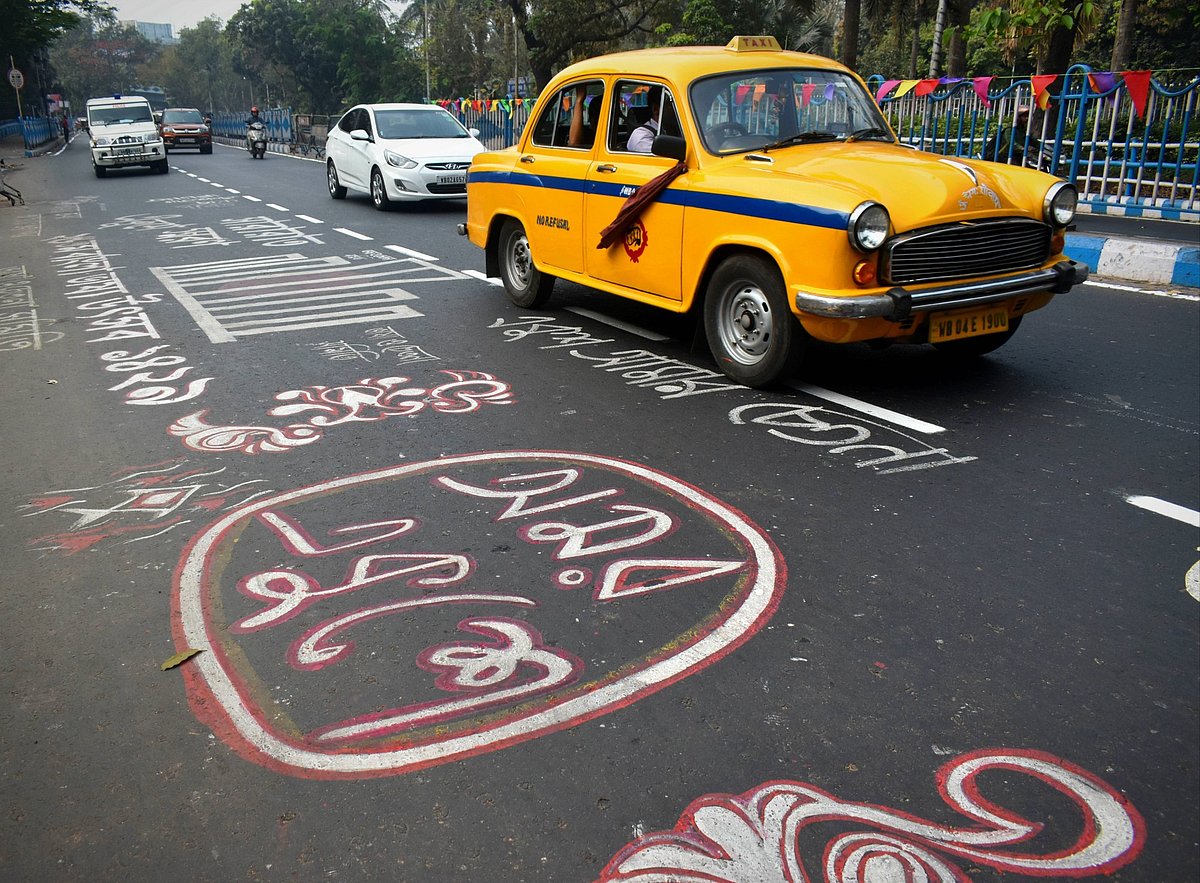
The ambitious Shabdakalpa project, launching in 2028, aims to map the history of every Bengali word in digital form, preserving cultural memory and inspiring future Southasian language initiatives
What France’s vanishing dialects reveal about language politics in India, and how pride and shame shape Bihar’s tongues amid the dominance of Hindi and English
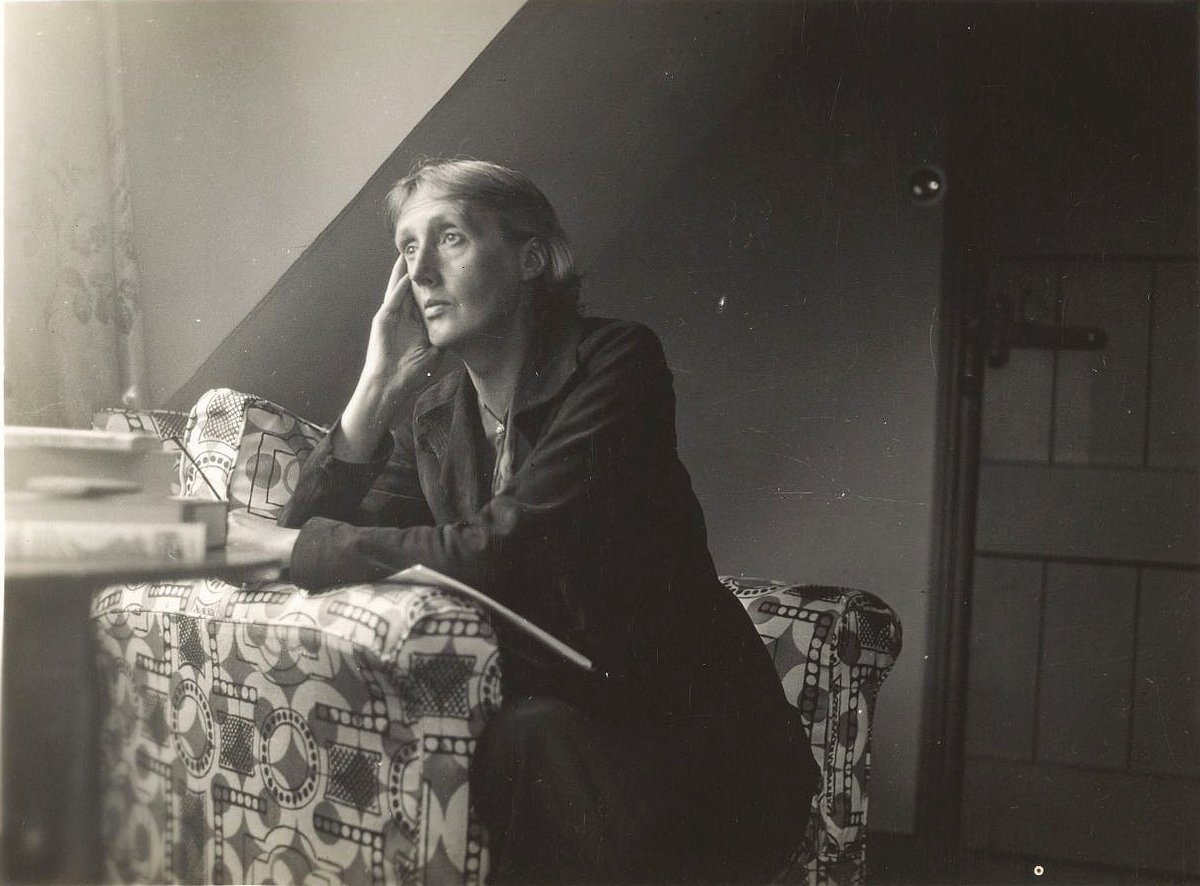
A century on from the publication of Virginia Woolf’s ‘Mrs Dalloway’, a young writer recounts how Clarissa Dalloway’s famous walk has spanned London and Karachi, and continues evermore
The Malayalam literary giant’s merits and limitations in addressing Kerala’s traditional caste, gender and social hierarchies defined frontiers that other writers must now transcend
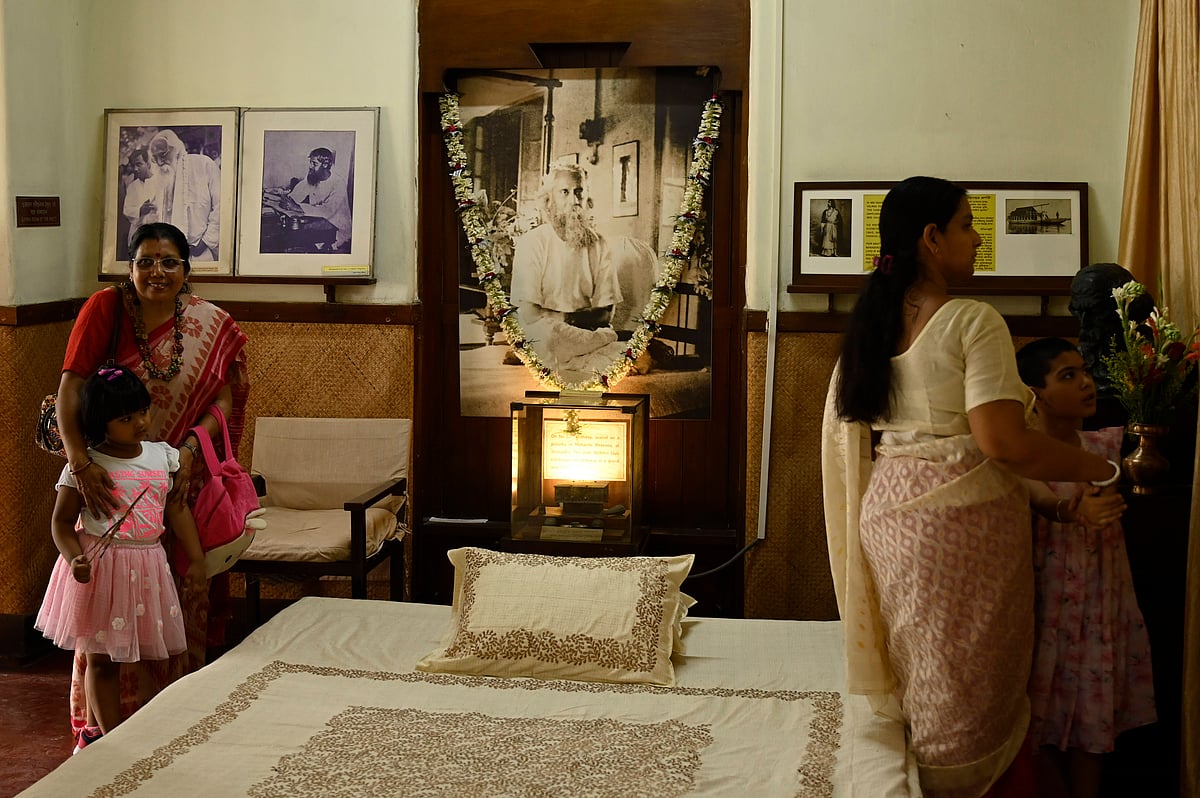
In ‘Sahaj Path’ – Rabindranath Tagore’s much-loved work for young readers of Bengali – his views on class, caste and gender are inextricably intertwined with his aesthetics and pedagogy
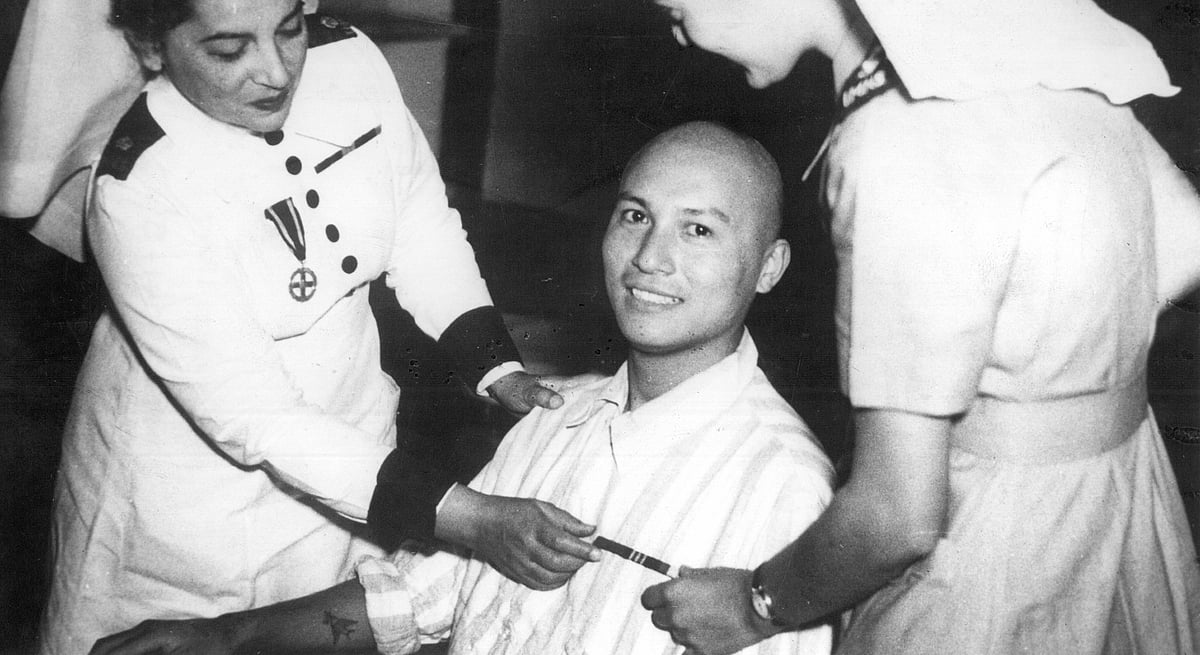
Ganju Lama, an ethnic Bhutia, wangled his way into the Gurkha regiments and won a Victoria Cross in the Second World War – and proved that a true Gurkha need not come from a “martial” race, or be defined only by battles and bravery
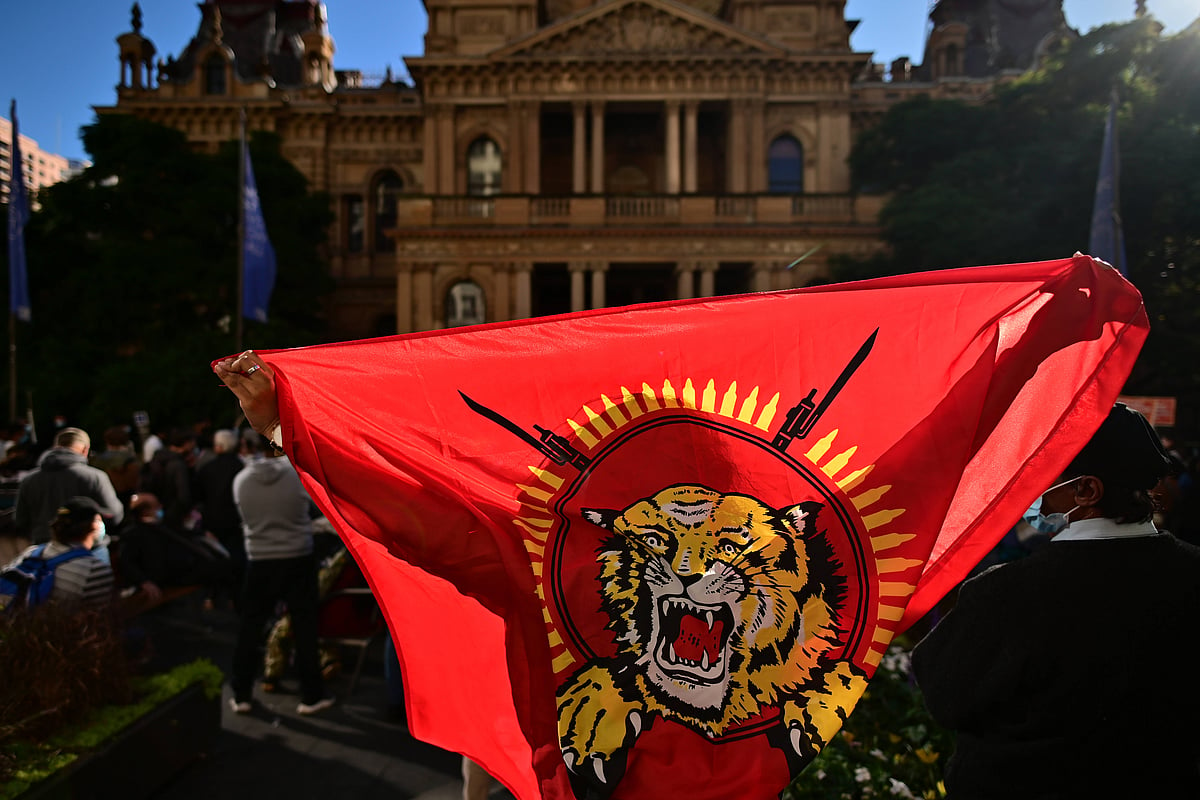
It is natural to compare Gaza today and Tamils’ plight at the end of the Sri Lankan Civil War – but claims that the LTTE stood in solidarity with Palestine and got training from the PLO are dangerously misleading
After decades as a political flop, Wickremesinghe engineered a nascent economic recovery and quietly depleted the once-mighty Rajapaksas. Has his presidency, for all its flaws, given Sri Lanka a chance at something better?
Being around Maya-mashi was like living in a forest.
She was short enough to be taunted as a dwarf, thin enough to have her shadow be mistaken for a reed’
Sharing narratives about food and belonging for a writing workshop, Afghans living in Delhi preserve and construct ideas of home – both the remembered home lost to war in Afghanistan, and the home of refuge they are building in India


.jpg)
