The early 1990s signified an important moment in Bhutanese history, as a small kingdom sought geopolitical sovereignty by claiming (and sometimes violently enforcing) a national identity. Stories about a '
Whatever history and allure football and cricket possess, neither can claim the mythical roots known to Southasian archery. The Ramayan, Maha-bharat and the legend of Ekalvya each use an archery
Self-criticism came more readily to our forebears.
Introspection and self-absorbed bigotry have traditionally walked hand-in-hand in Southasia. Megalomaniac rulers, the leech-like priestly classes and their bete noire, the serenely divine
Even as Crown Prince Wangchuk was being proclaimed king in Thimphu after the abdication of his father Jigme Singye Wangchuk, in Kathmandu the Bhutani human rights activist Tek Nath Rizal
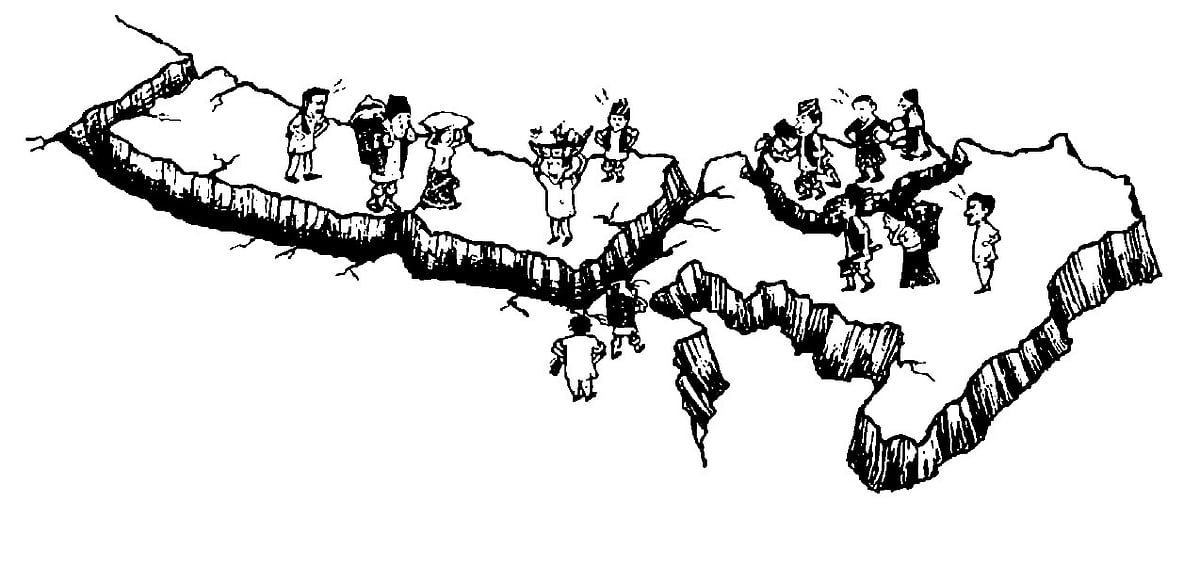
Despite the fact that they have been living in their respective countries for centuries, the Lhotshampa, Nepamul Bharatiya and Madhesis have in common the fact that they are all underdogs.
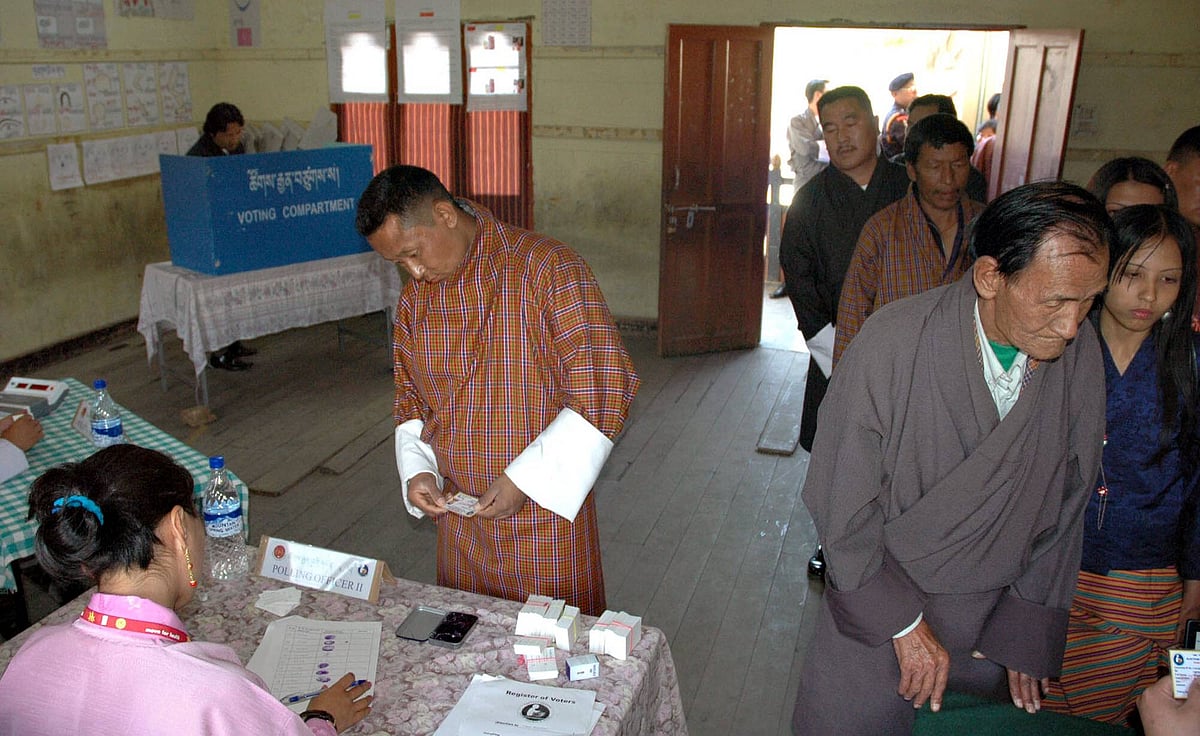
Bhutan's first democratic election has produced a notably young band of lawmakers for its upper house, the National Council. The body, elected in the historic poll of 31
It seems serious, though you can never quite tell about this sort of thing. Certainly the early October announcement by the United States that it is willing to take in
In the 18th and 19th centuries, the eastern Himalayan region was a hotbed of conflict as the indigenous communities pitched themselves against Tibetan Buddhist and Gorkhali hegemony. Hitherto unstudied manuscripts afford a new understanding of these rivalries, and of the life and work of a man who l
The United Nations High Commissioner for Refugees (UNHCR) office in Kathmandu has officially broached the subject of third-country resettlement for the more than one lakh Lhotshampa refugees from Bhutan, who
King Jigme Singye Wangchuk has indicated his interest in abdicating and handing over the crown to his son, Crown Prince Jigme Khesar Namgyal Wangchuck. We laud this expression of interest
A country battered by accusations of feudocratic rule and a depopulation exercise sees the release of a draft constitution as an opportunity to build a future as a 'modern' nation-state.
The Royal Government of Bhutan (RGoB) formally unveiled the draft of its constitution on 26 March 2005 with public ceremonies across the country. The Calcutta Statesman enthusiastically enumerated the '