To Nepalis of the lowlands and midhills: try the high-Himal in mid-summer, rain or shine. Especially rain.
Trekking in the monsoon. For more than a decade the idea has been
Contrary to popular Nepali perception, the Kosi Project may have proved to be a nightmare for those who live within the embankment area.
The Kosi floods of July 1991 have
The legal fight for gender equality in Nepal involves in large part the effective implementation of legislation which already exists, to counter the retrograde legacy of the Muluki Ain.
The
We were conducting a demographic study in Hattiban, a village in Nawalparasi District in the Inner Tarai of Nepal. The aim was to assess the high fertility rates in villages
Because the role of the woman in Nepali society is by and large restricted within the family, her participation in development must also necessarily be within the family.
During recent
If political power is to be achieved through parliamentary legislation, then women have first to get elected to Parliament. The male-dominated hierarchies of the major political parties have not proved
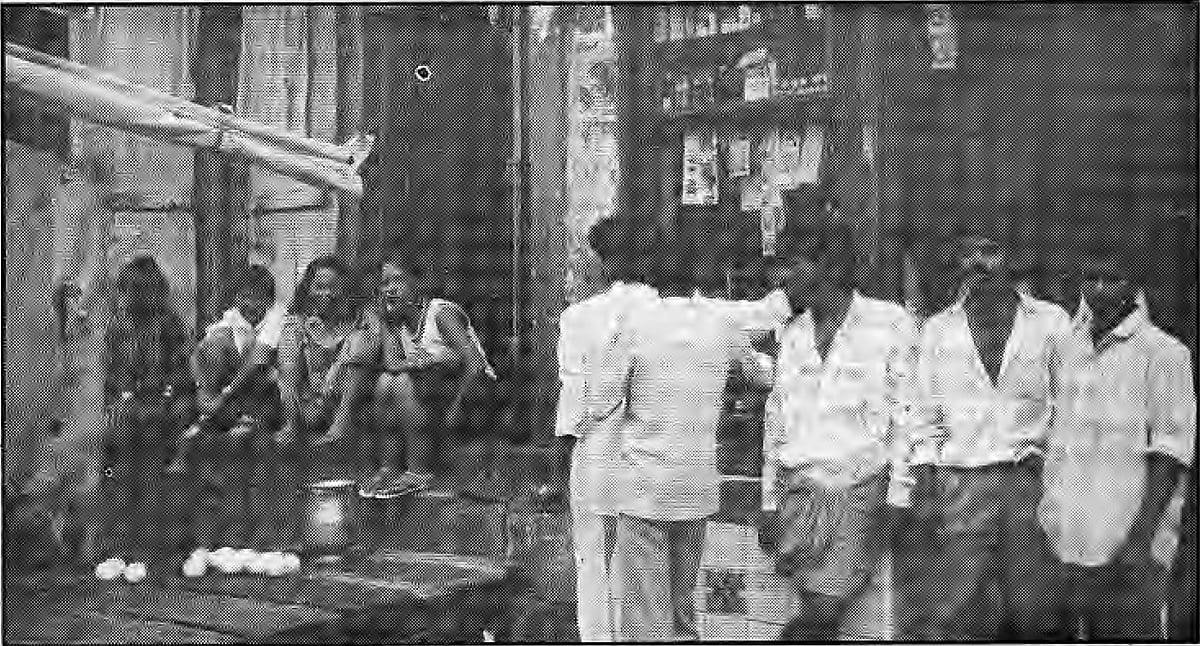
While there is loud talk of the trafficking of Nepali girls, few are serious enough to address the issues behind the phenomenon. What are the real numbers? Who is endangered by AIDS? And should prostitution be legalised within the country?
Change is inevitable. New technology is helpful, but what does it take away ? One must anticipate and adjust.
The effect on Nepal of roads, hydro-electric power, television and other kinds
The Gurkha lore is a British creation. It was no invention but borne out of the respect for their bravery that was vouchsafed by no less a person than Gen.
Tenzing Sherpa the climber, Bhanu Bhakta the First Poet, and Gajey Ghaley the soldier. These were the text-book heroes of Nepali school children in the 1950s and 1960s. Above all,
Hundreds of thousands of lives have been touched by Gurkha soldiering. Many toasts have been drunk to and books written about the Johnny Gurkhas, but reference to their womenfolk has