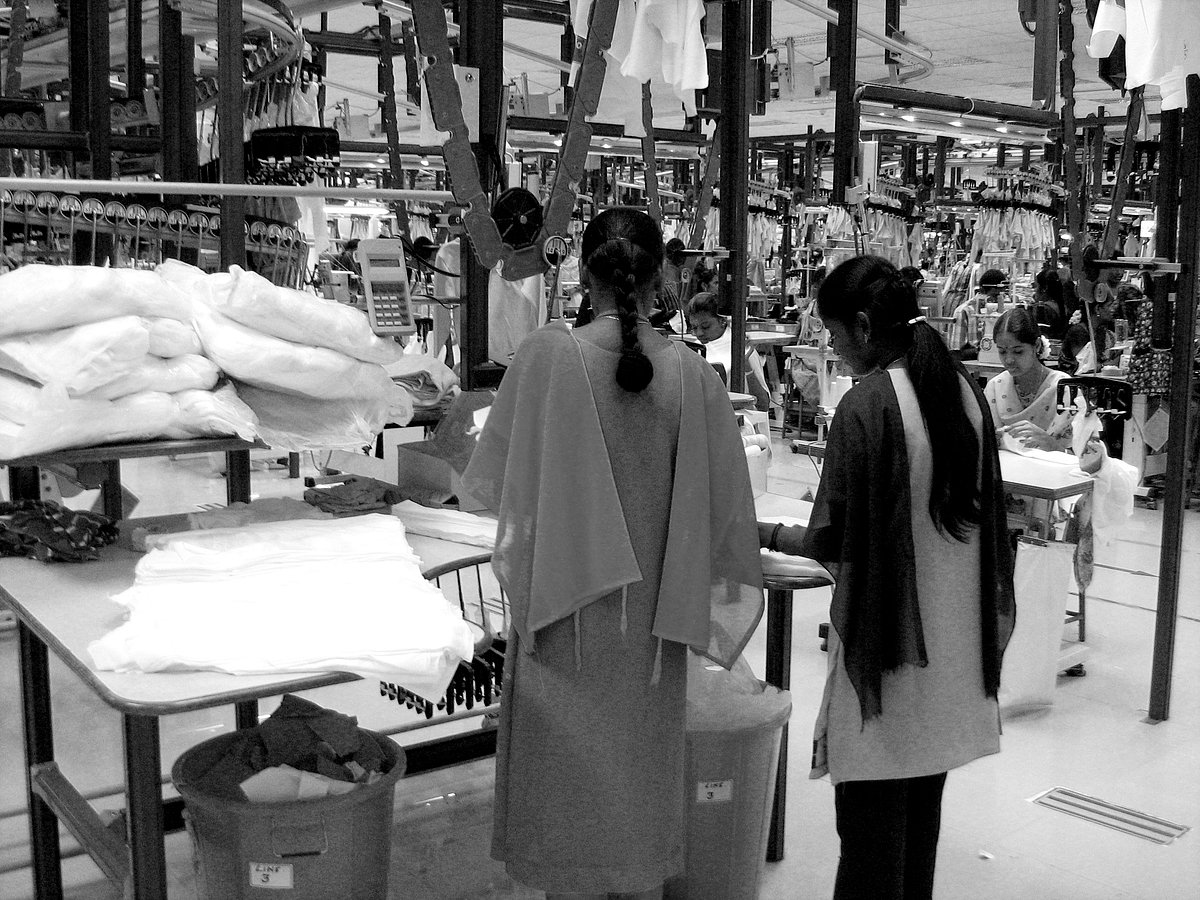
The siren call of Bombay attracts the rich and poor throughout Southasia, including large numbers of women from Nepal and Bangladesh. While some are dragged under by the vicious subculture of manipulation and forced labour, others discover fulfilment.
Monica Ali,
Brick Lane,
Doubleday,
London, 2003.
Naila Kabeer, The Power to Choose: Bangladeshi Women Workers and Labour Market Decisions,
This town after all
Why doesn't it say something
This town after all
Why does it lie
In the map of our Hindostan
– Rahul Rajesh in Hindi poem,
On a bus to Bankura to understand the Chhotanagpur labourer.
A pathbreaking study on the status of women labourers in Pakistan's manufacturing sector shows that they fare as badly as women in the rest of South Asia and
Nepalis working abroad earn more hard currency for their home country than all exports, tourism and foreign aid put together.
Most articles on Nepal by foreign correspondents would begin: "
The popular notion that the indentured workers were primarily male is a misinformed one. Women made up at least a third–as required by government statute–and sometimes close to
In the sweat shops of Silicon Valley, immigrant dreams are shattered.
"Hurry up Line 1! You are not here to talk, you are here to work! GEE-VAAN WHAT'
Nepal
Nepal was the original maker of the myth of trafficking in the regional and international community. Gita and her drugged Frooti established the precedent in South Asia for heart-