A visit to the hill districts of Dailekh, Kalikot and Jumla in west Nepal in February 2003, three weeks after the declaration of the ceasefire between government and Maoist forces, reveals that the much-touted female involvement in the Maoist movement is ethically problematic for the Communist Party
The royal palace in Kathmandu and the Maoists have agreed to a ceasefire without consulting the political parties. How now to bring them into the upcoming talks, and how does a king deal with rebels who want to abolish monarchy?
On 17 January 2003, Nepal's government lifted a five-year-old ban on Nepali women going to Persian gulf countries to work following a supreme court ruling that the ban
In mid-December, Amnesty International (AI) released a report holding state security forces accountable for the wide use of summary execution, torture and disappearance in the past year; Al also questioned
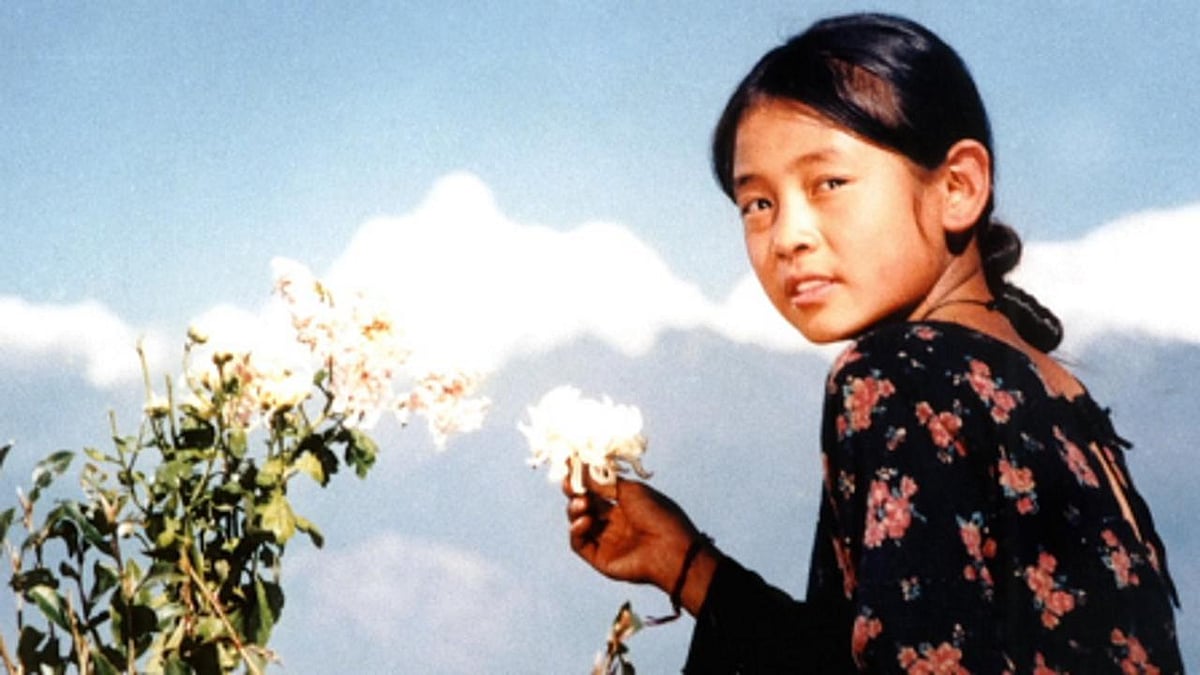
A feature film from Nepal remains ethnographically sensitive and provides a window to the specificities of the patriarchy that controls rural life in one corner of the country.
Two decades of NGO-led development in Nepal has been accompanied by a steady privatisation of the state's welfare functions and an erosion of community institutions. A retrospective assessment of the impact of NGO activity.
Nepal's Karnali, Kosi, Mahakali and Narayani rivers were once home to a thriving susu population in the section of the Tarai plains before they enter Indian territory. In