Salman Rafi Sheikh is an assistant professor of politics at Lahore University of Management Sciences. He can be reached at: salmansheikh.ss11.sr@gmail.com
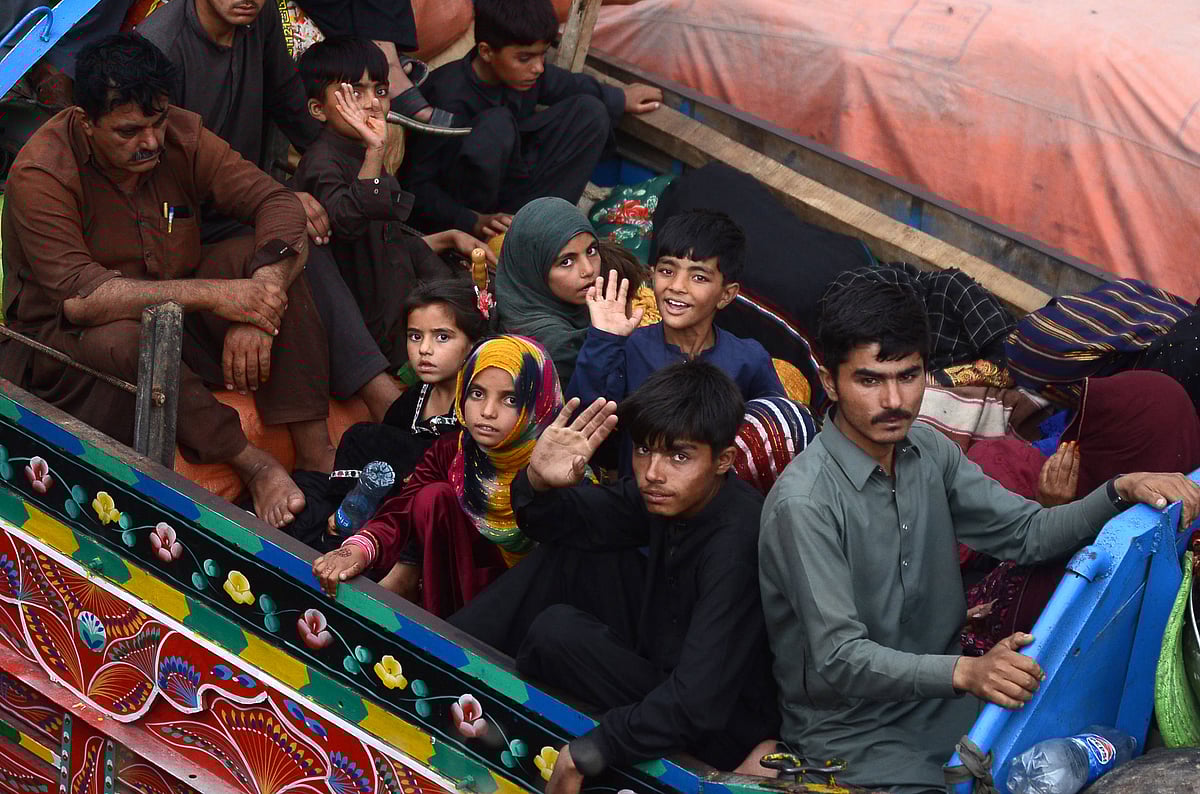
With a narrow focus on security and a desire to perpetuate Afghanistan’s dependence on Pakistan, Islamabad has failed to recognise the Taliban’s new regional ambitions and geopolitical strategy
Pakistan’s 27th constitutional amendment expands the military and army chief’s authority, allowing government and Parliament sweeping control over the judiciary
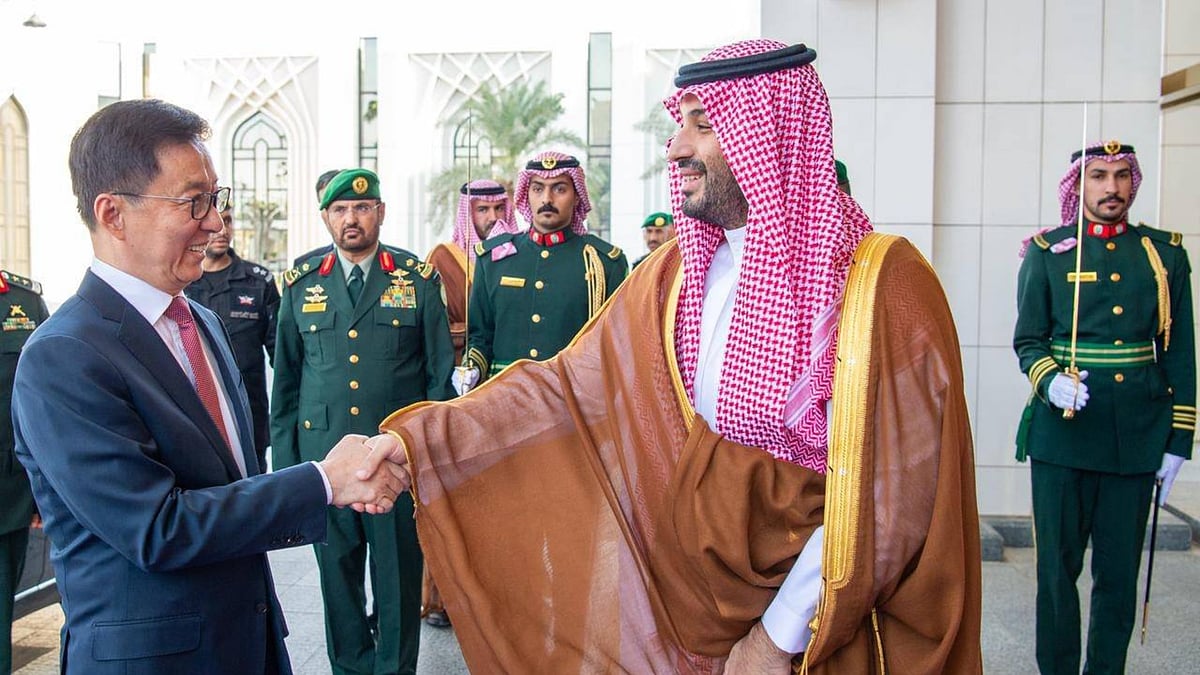
China and Saudi Arabia are attempting to rework Southasia’s geopolitics, but the problems of terrorism, economic fragility, the India–Pakistan rivalry may undo their ambitions
As Pakistan’s government restarts a debate on resource sharing between the country’s centre and the provinces, concerns emerge on fiscal recentralisation
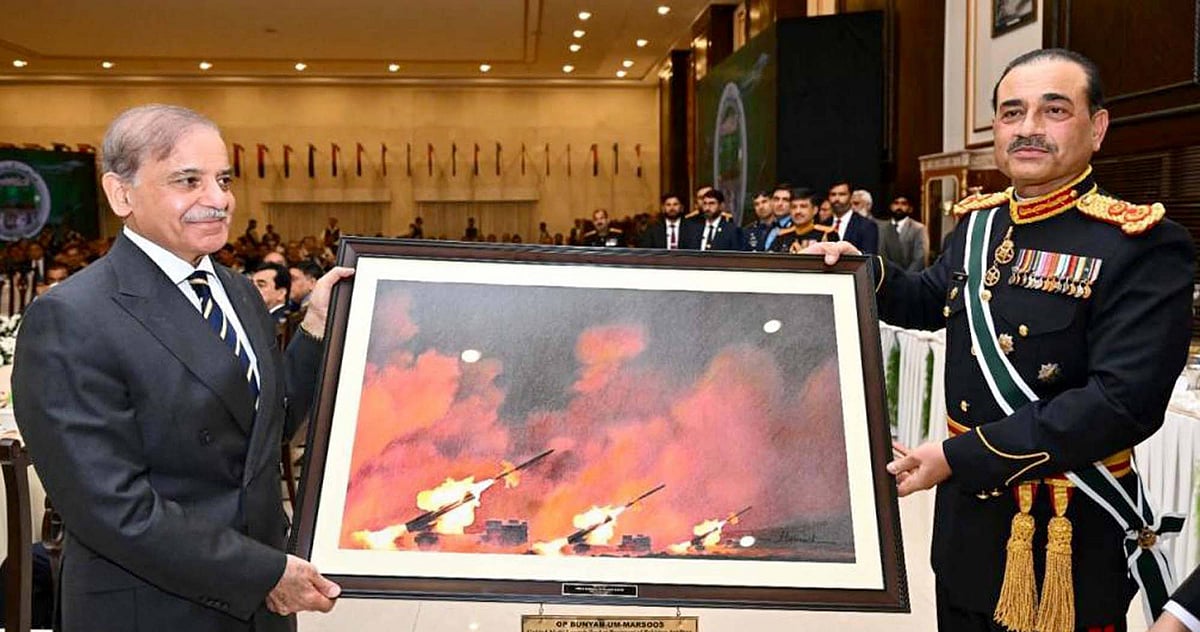
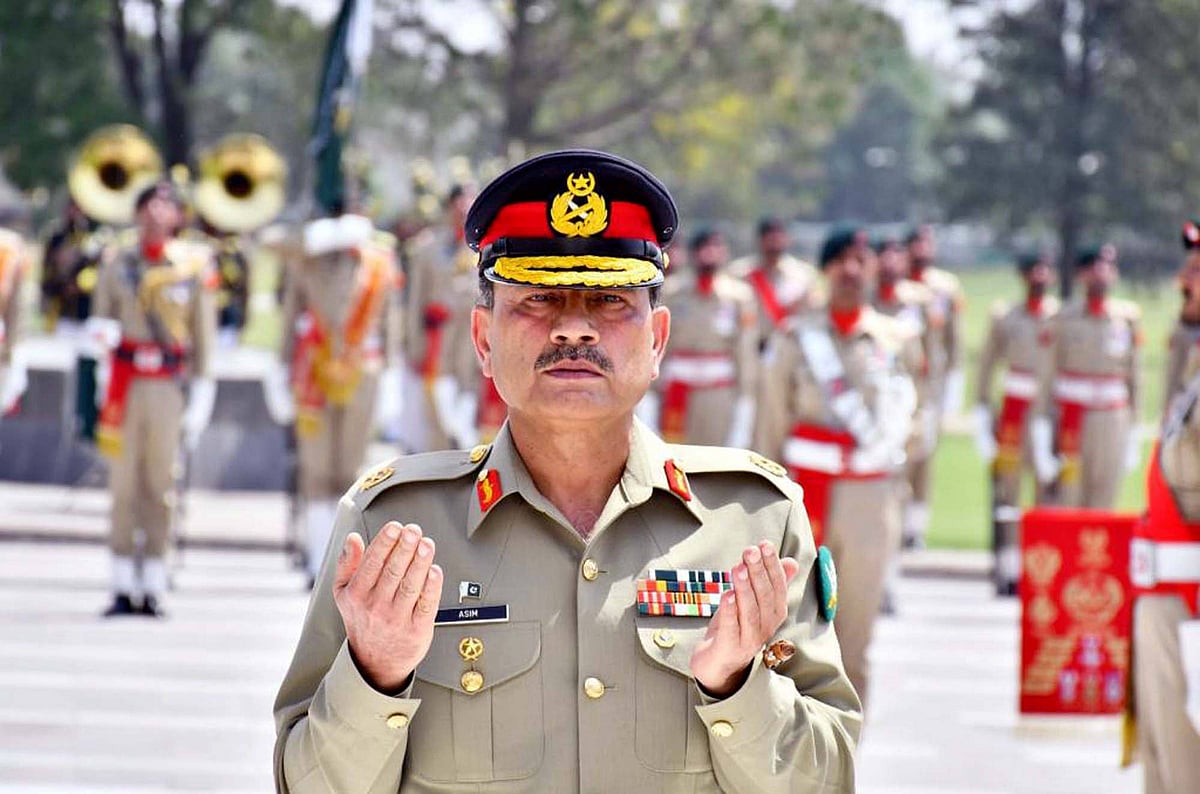
After Pakistan’s military “win” in the May 2025 confrontation with India, the army under Asim Munir as field marshal has even greater power over the state, the civilian government and the judiciary
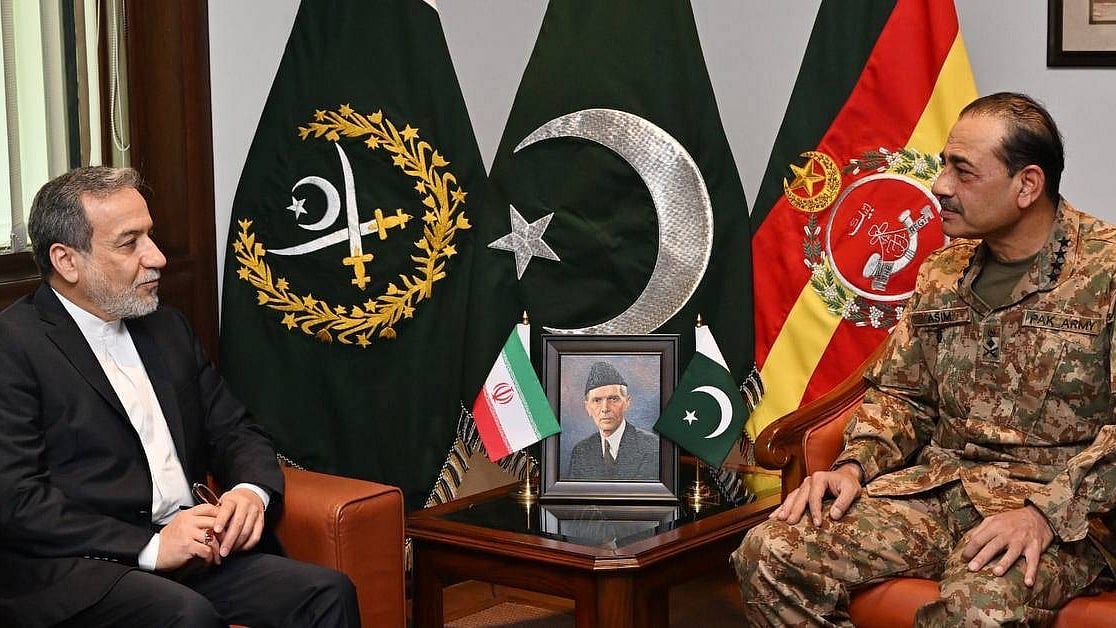
The United States and Donald Trump are courting the Pakistan military as an ally in a war against Iran, but Pakistan’s present problems and hard lessons from the US-led invasion of Afghanistan should offer grave warnings
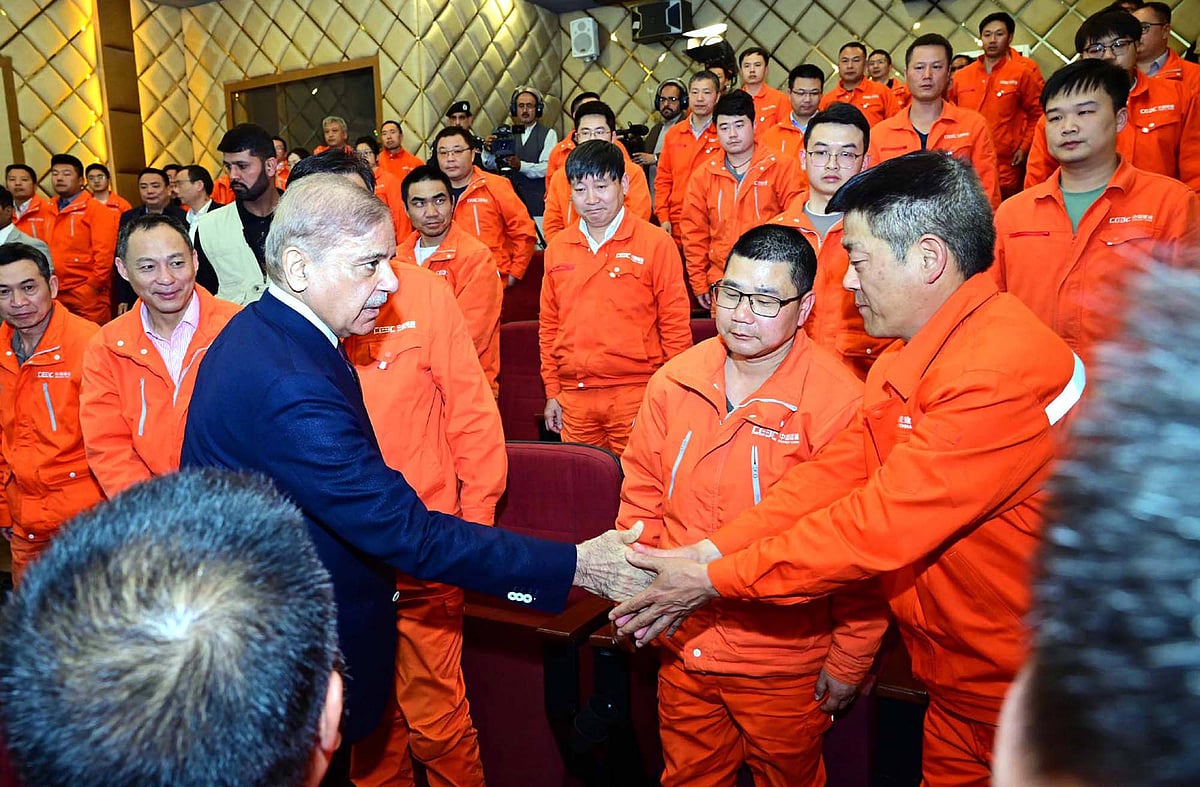
Pakistan’s flawed domestic and foreign policies – especially its mishandling of Afghanistan – have led to a deterioration in its relations with both the rival superpowers of China and the United States
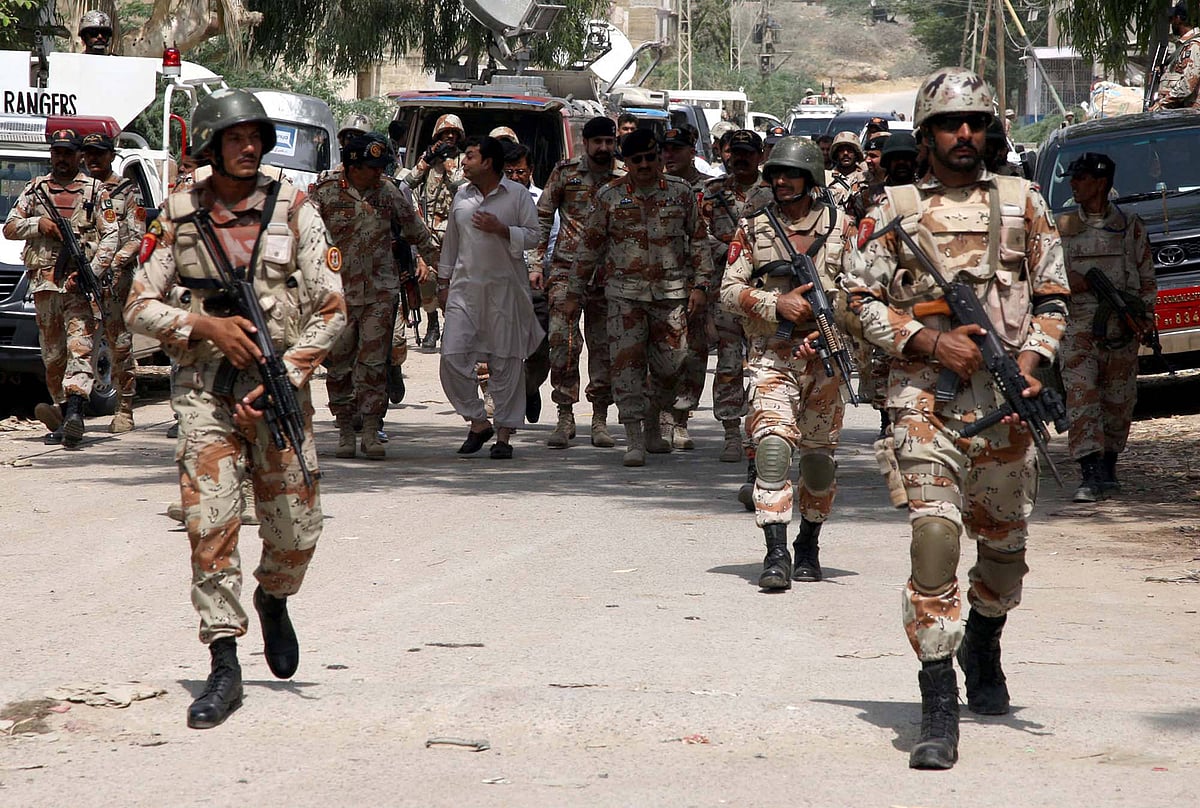
India wants to normalise ties with Afghanistan even with the Taliban in power, which threatens Pakistan’s security and fight against cross-border militancy
Nominating women to reserved legislative seats has done little for the cause of women in Pakistan. Political parties must be made to field more winning women candidates.
The 26th amendment to Pakistan’s constitution means that the government – which functions at the behest of the military – will be able to rein in any judges who dare assert their independence
Pakistan cannot meaningfully fight economic distress and mass unemployment unless its resources are freed from control by the highest echelons of its military, bureaucracy and the political class
Global isolation of the Taliban has contributed to a proliferation of terror groups endangering Afghanistan, Southasia and the world. Conditional engagement offers a better way forward.