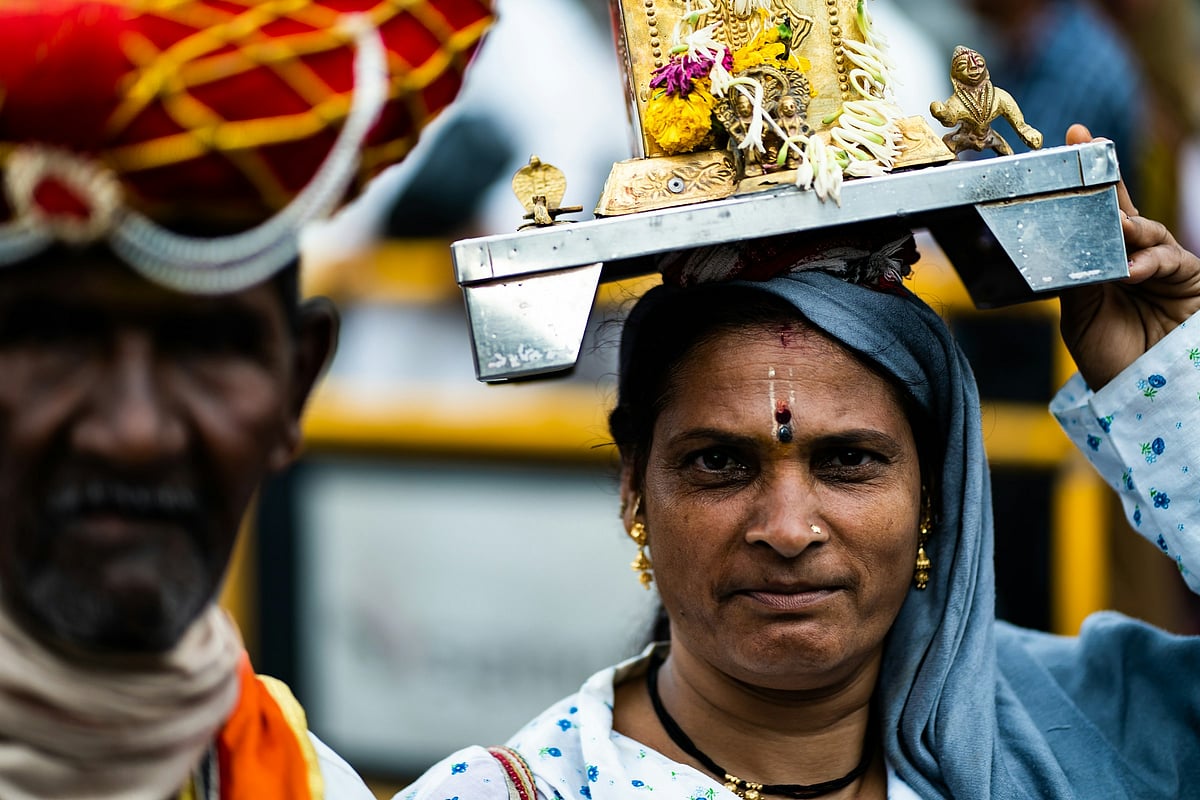
Namit Arora and Romila Thapar on how identities in early and medieval India were formed, contested, and why a shared sense of “Indianness” may be a colonial-era development
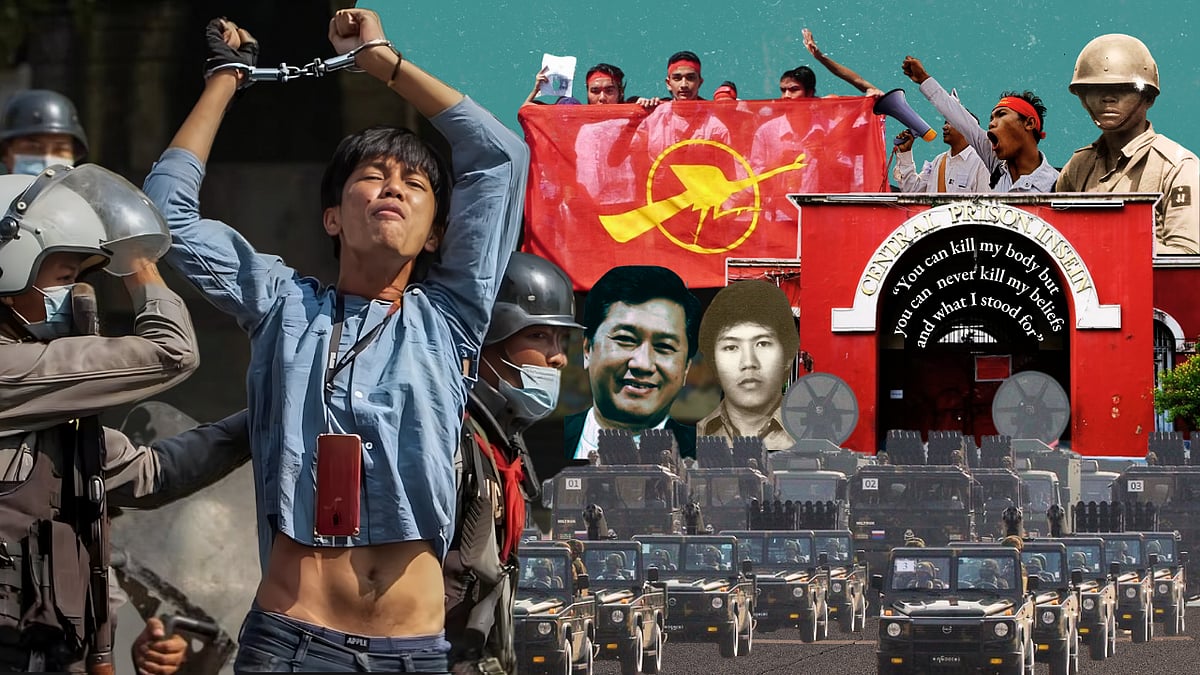
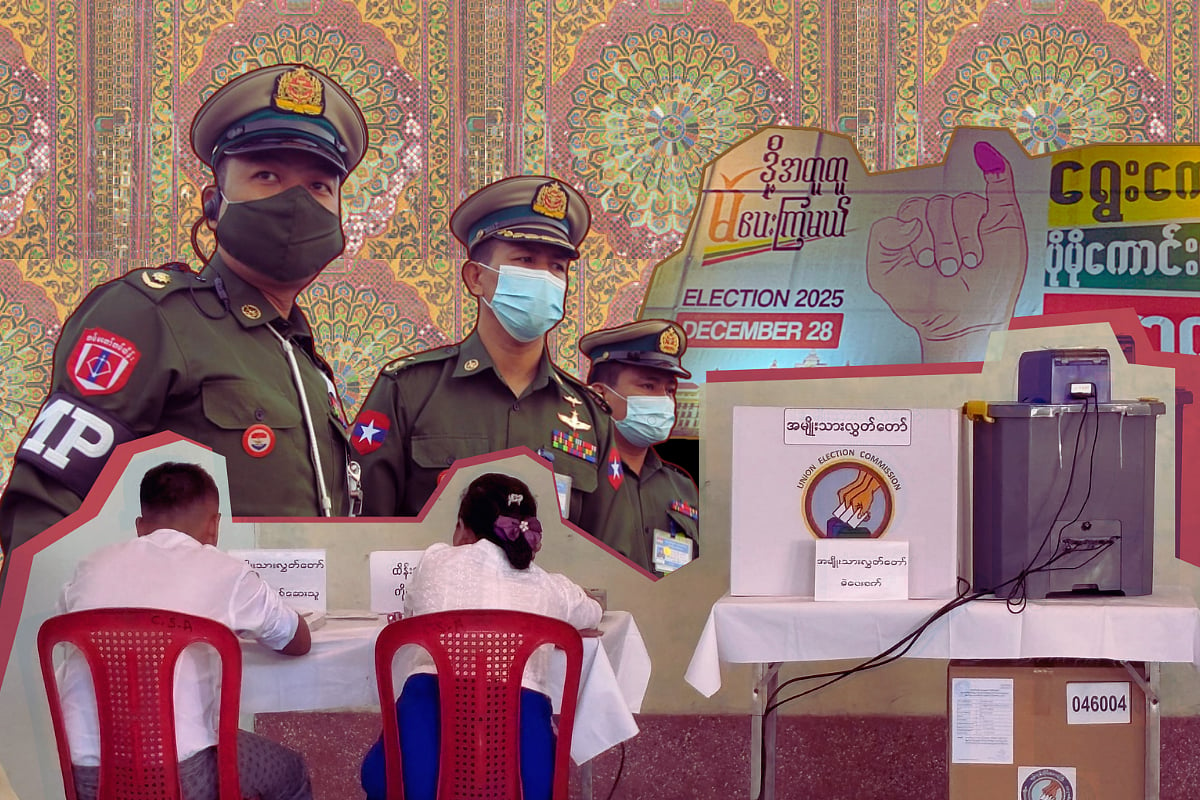
Myanmar’s military rulers present the recent election as a “democratic transition”, but increasing repression and mass political arrests expose the real face of a brutal authoritarian regime
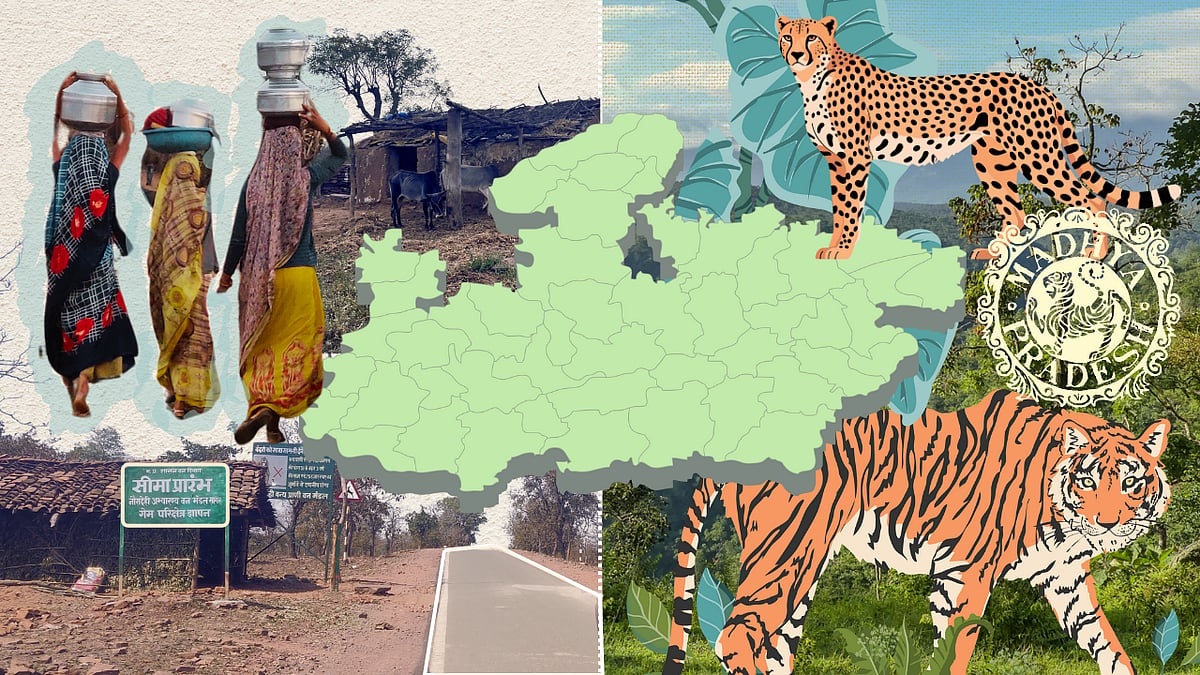
Hungry for wildlife and conservation funds, Madhya Pradesh has violated science, the law and the rights of forest dwellers to establish its brand as a tiger-cheetah conservation state
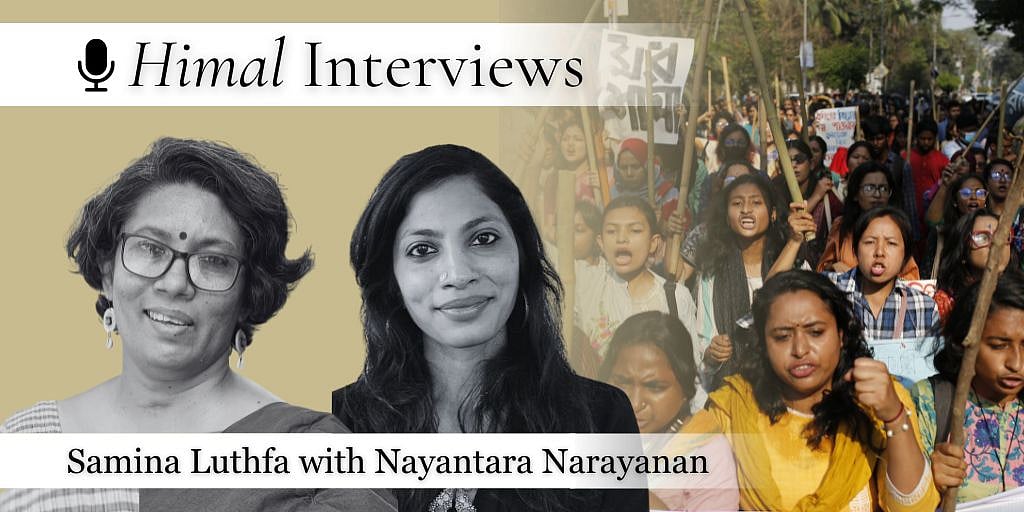
Sociologist Samina Luthfa talks about how women have been caught between an interim government failing to protect them and rising Islamist conservatism targeting their freedoms
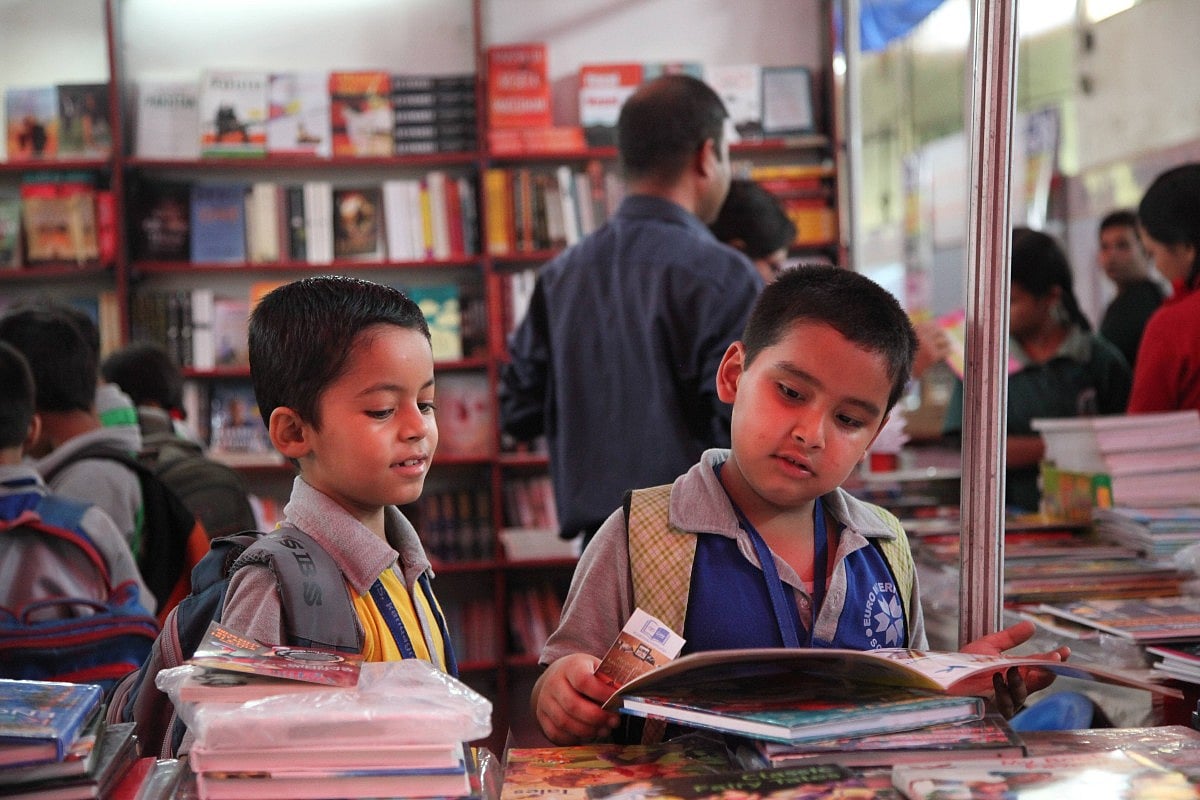
From Panchayat-era moralism to donor-driven publishing, and today a rising crop of local initiatives, the shifts in Nepal’s children’s literature reflect the difficult history of the country itself
With a narrow focus on security and a desire to perpetuate Afghanistan’s dependence on Pakistan, Islamabad has failed to recognise the Taliban’s new regional ambitions and geopolitical strategy
An unsung giant of Gujarati literature, Dalpat Chauhan has fought to reclaim a Dalit history, identity and idiom that resist Gujarat’s exclusivist politics and pride
Ground reporting of the 2025-26 election reveals that voters only hope for a slight lifting of the military’s boot in a race with virtually no political opposition
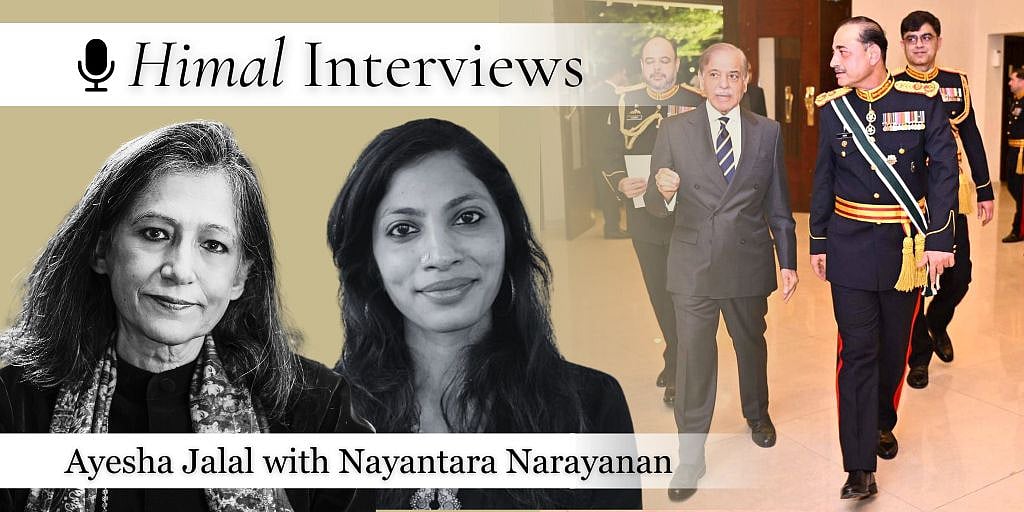
Ayesha Jalal on Pakistan’s 27th constitutional amendment and how former prime minister Imran Khan was used by the military to undermine democratic momentum
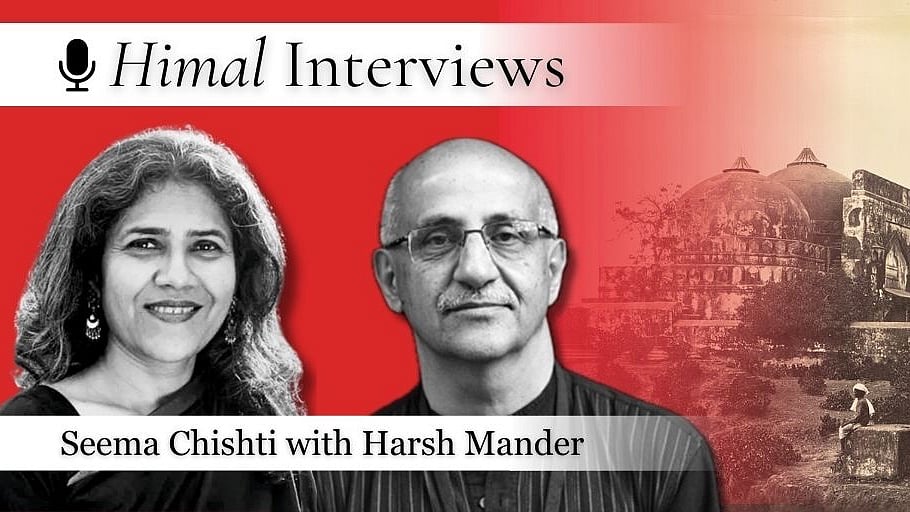
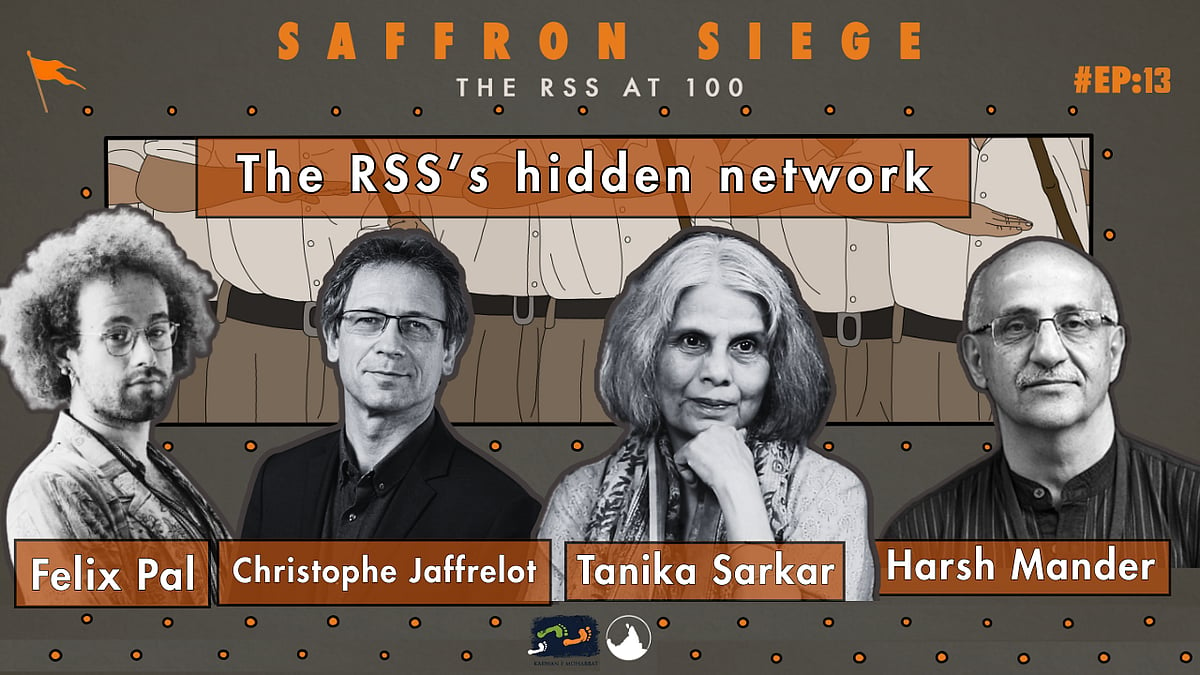
This is part of the second season of Partitions of the Heart: Conversations with Harsh Mander, a Himal Southasian podcast series produced in association with Karwan-e-Mohabbat.
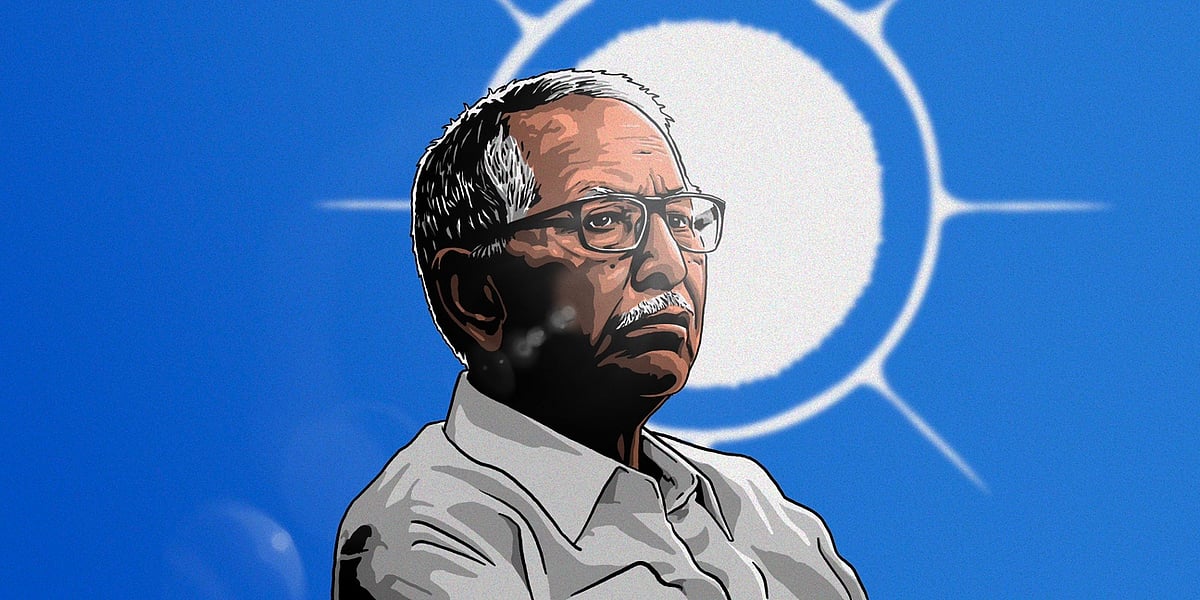
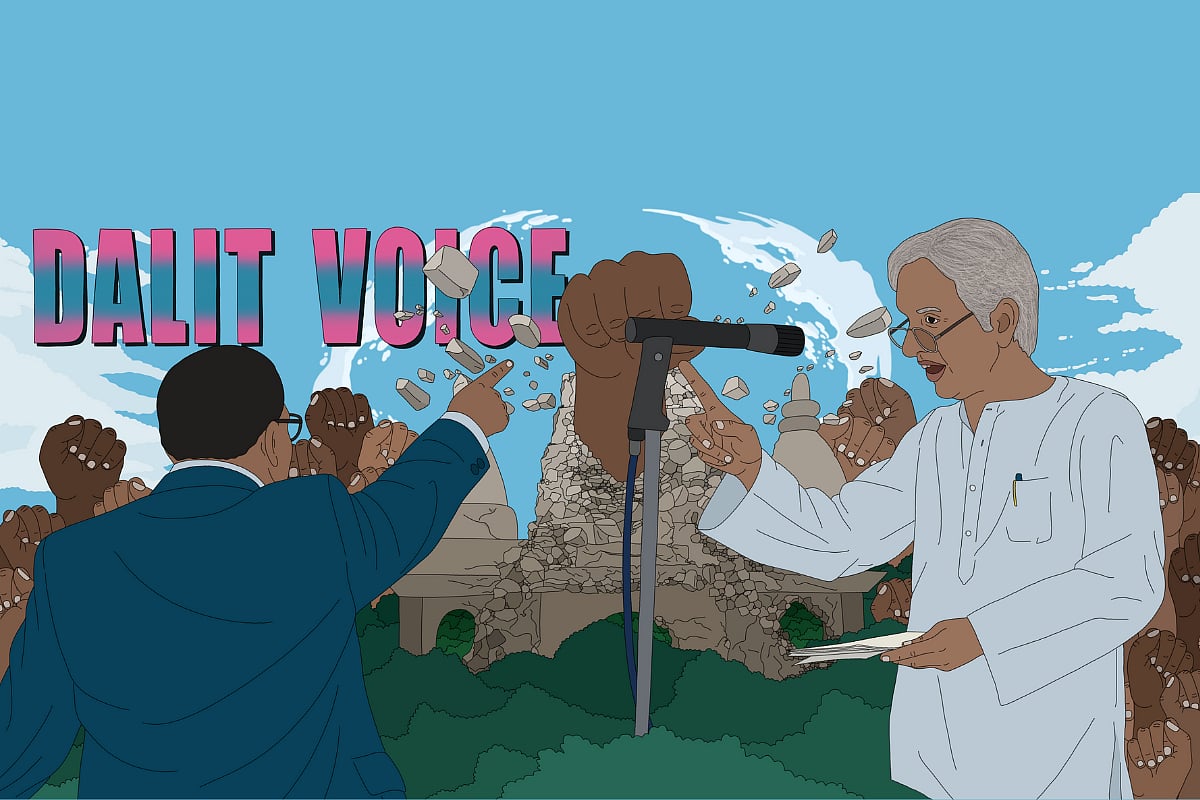
V T Rajshekar deployed ‘Dalit Voice’ in an assault on the caste system, amplifying Ambedkar and exposing both the Brahminical enemies of Indian democracy and its Brahminical guardians