This is part of the second season of Partitions of the Heart: Conversations with Harsh Mander, a Himal Southasian podcast series produced in association with Karwan-e-Mohabbat.
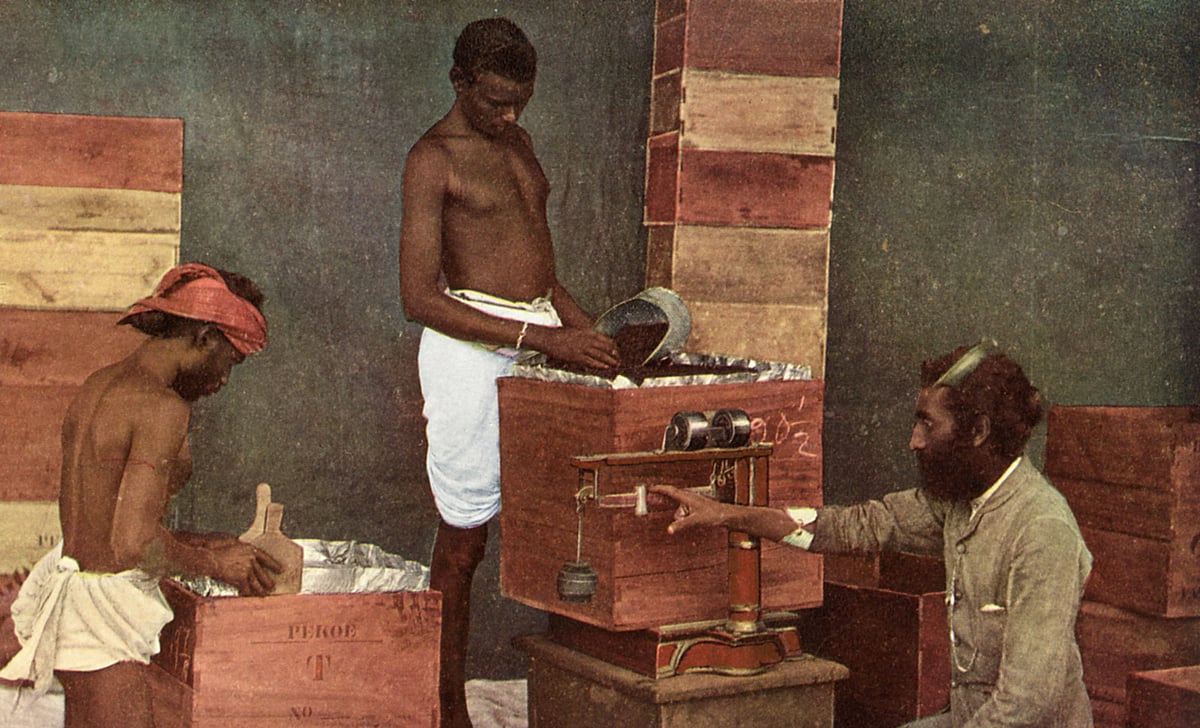
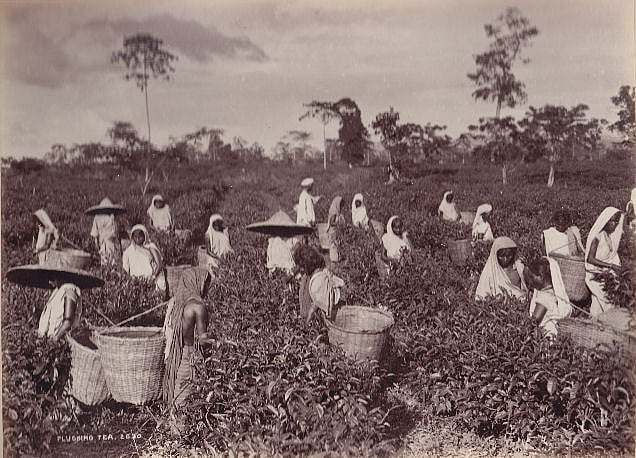
Labour migration to the tea gardens of colonial India fostered contact and convergence among diverse languages, prompting the rise of new linguas francas and the erosion of many mother tongues
In his new memoir, spanning the 1980s and the present, the renowned writer and activist reflects on neoliberalism in the West and turmoil in Southasia, and fiercely critiques the War on Terror and the crimes of Israel
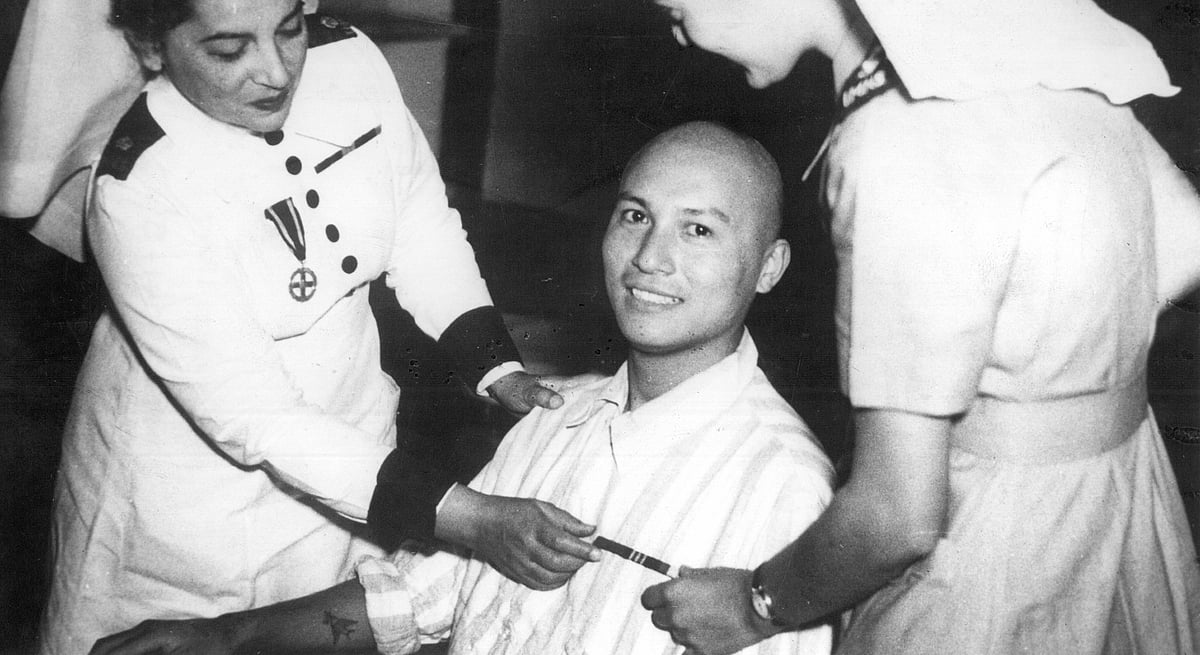
Ganju Lama, an ethnic Bhutia, wangled his way into the Gurkha regiments and won a Victoria Cross in the Second World War – and proved that a true Gurkha need not come from a “martial” race, or be defined only by battles and bravery
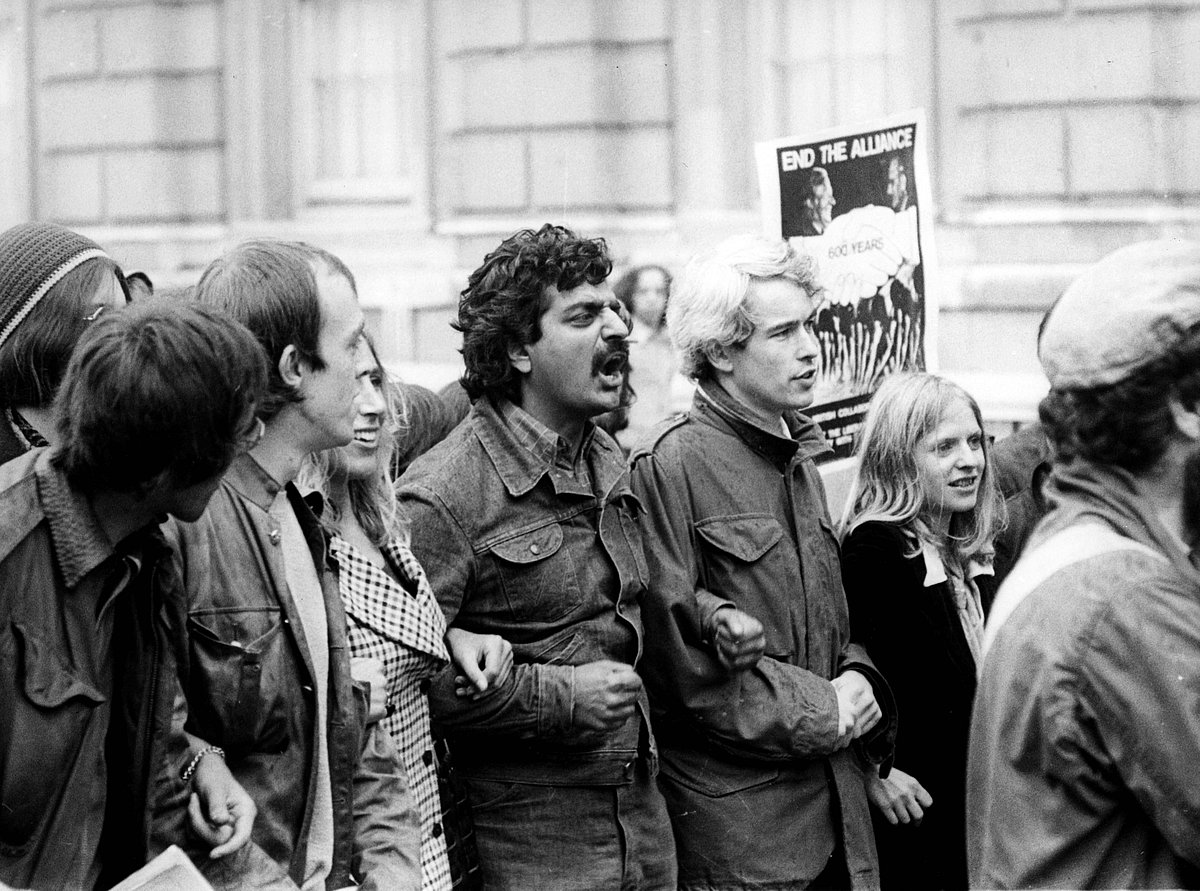
The past struggles of brown and black immigrants have brought improvement in racial equality in the United Kingdom – but recent books make clear that British liberalism’s claims of substantive progress are overly optimistic
In ‘Waiting on Empire’, Arunima Datta resurrects the largely forgotten travelling ayahs – one of the many groups of Southasian migrant workers in the British Empire
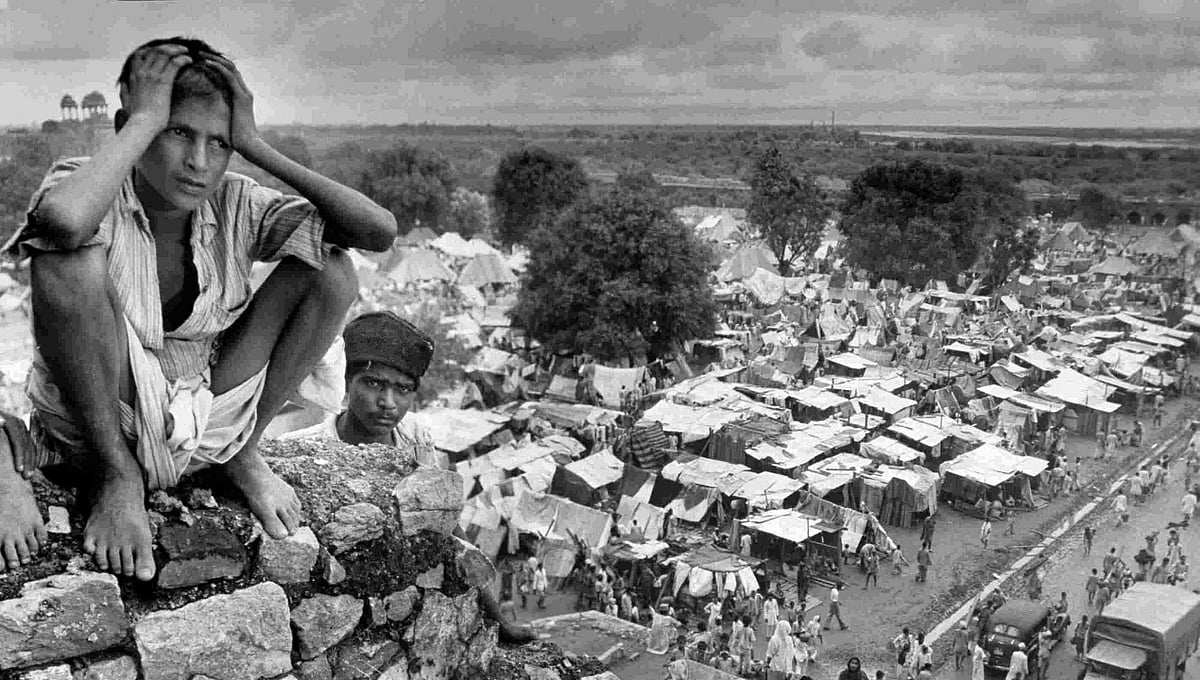
Three recent volumes show historians moving beyond assumptions of a bounded Subcontinent, contextualising the 20th century by centring regional and local politics that complicate nation-state narratives
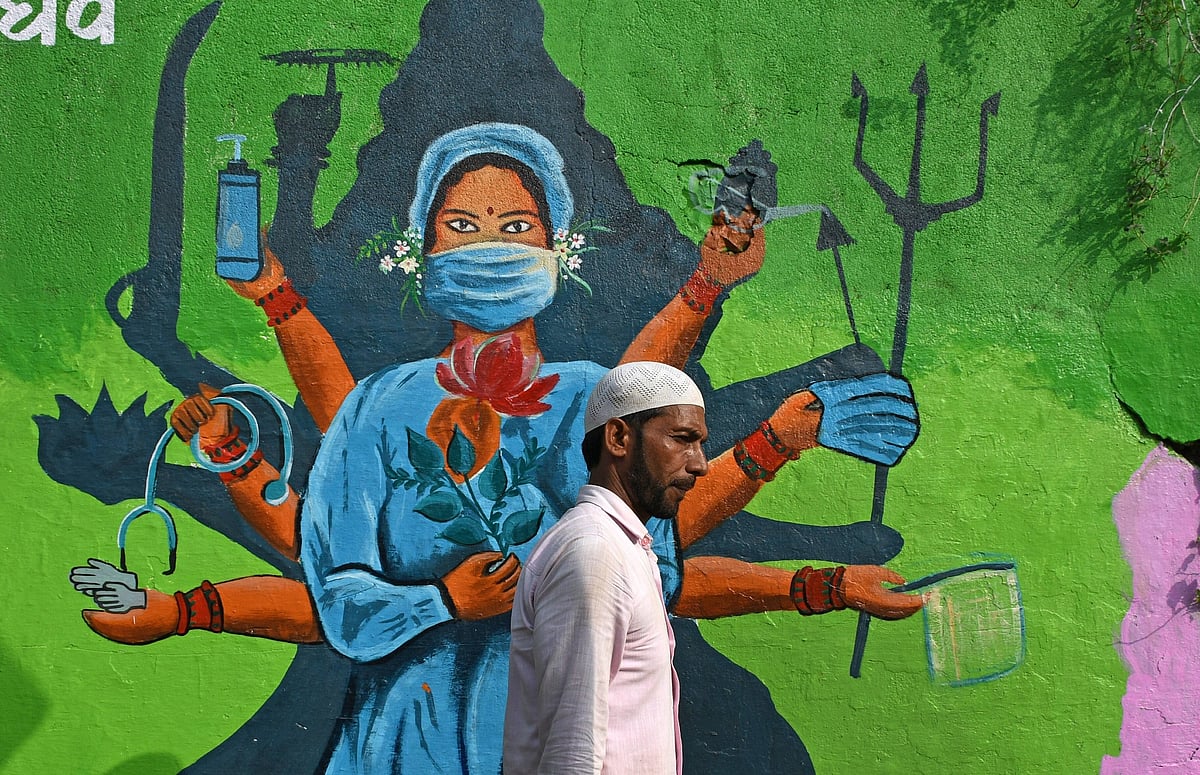
In 'Pandemic India', David Arnold offers a reflective study of Covid, cholera, plague, the Spanish flu and other historical mass contagions, from the time of the British Raj to the Modi government