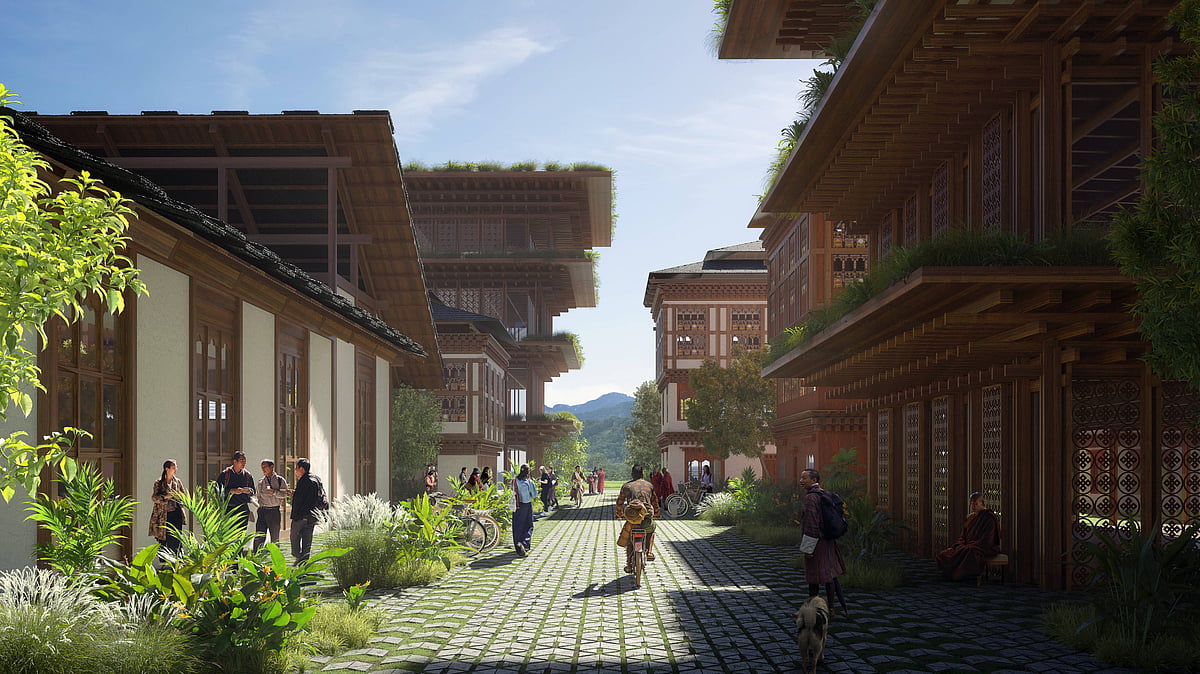
The writer discusses the project’s ambitions to revive Bhutan’s ailing economy and how it ignores the displacement of the Lhotshampa people from the Geluphu region
This week in Himal
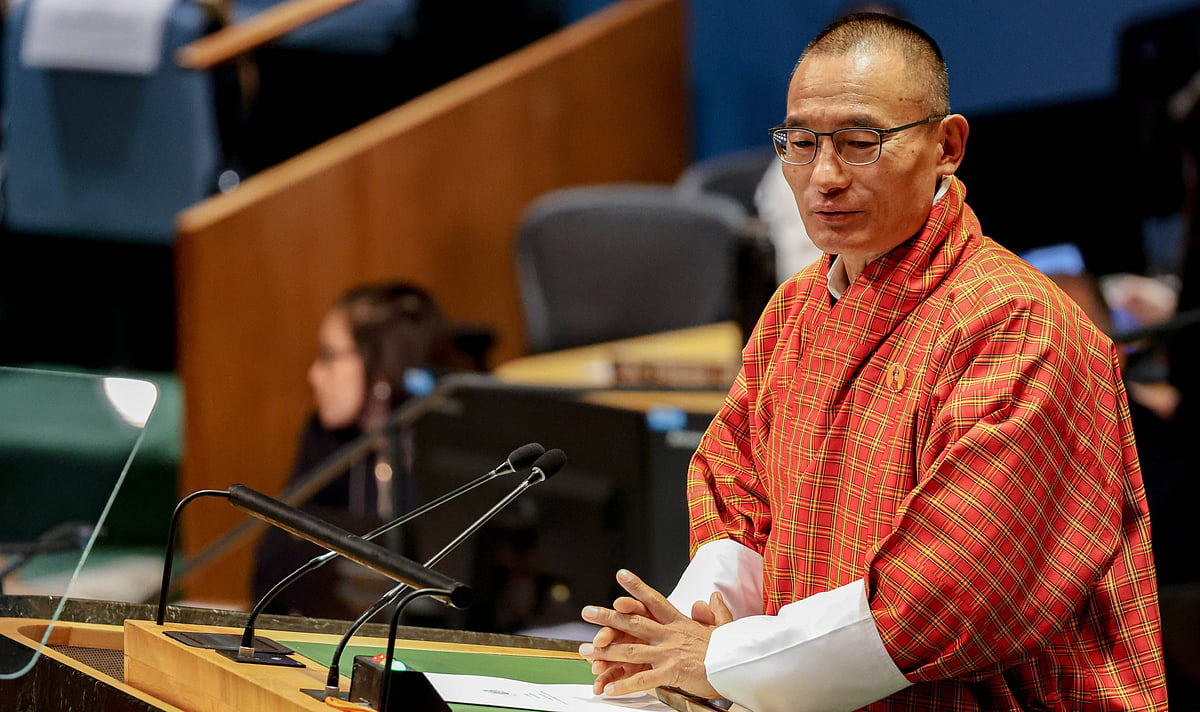
This week, Maximillian Morch writes about Bhutan Prime Minister Tshering Tobgay’s political memoir, which promises insight into Bhutan’s democratic evolution but falls short in
Tshering Tobgay’s memoir is all praise for Bhutan’s monarchy and fledgling democracy, but it misrepresents the Lhotshampa expulsion and the fraught political history of the “Kingdom of Happiness”
This week in Himal
This week, Shafiur Rahman writes that Bangladesh’s accommodation of the Rohingya, while seen as humanitarian, is part of an exploitative system that profits from their
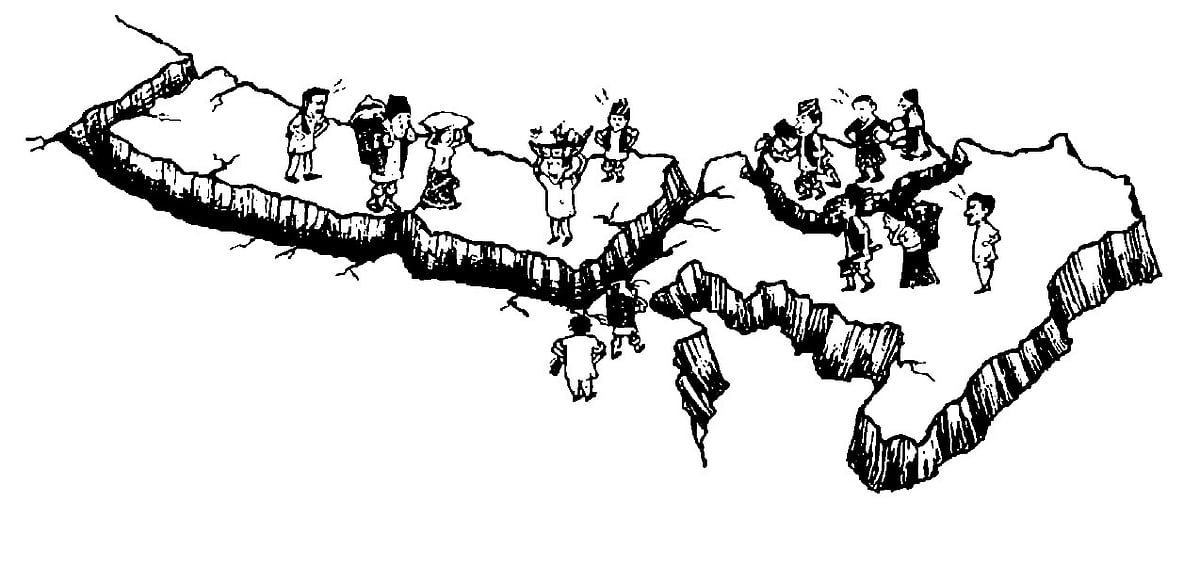
For more than 15 years, the Bhutanese government painted circles around Kathmandu's authorities, as well as those concerned in the international community, regarding the repatriation of the Nepali-speaking
In March 2008, Bhutan ended its century-old system of absolute monarchy in favour of parliamentary democracy. This was a significant decision for a state that had always fought against democracy,
Yet again, the situation surrounding the ethnic Rohingya community of Burma has burgeoned from a national disgrace to a regional shame. Despite what had appeared to be a coincidence of
Despite the fact that they have been living in their respective countries for centuries, the Lhotshampa, Nepamul Bharatiya and Madhesis have in common the fact that they are all underdogs.
It seems serious, though you can never quite tell about this sort of thing. Certainly the early October announcement by the United States that it is willing to take in