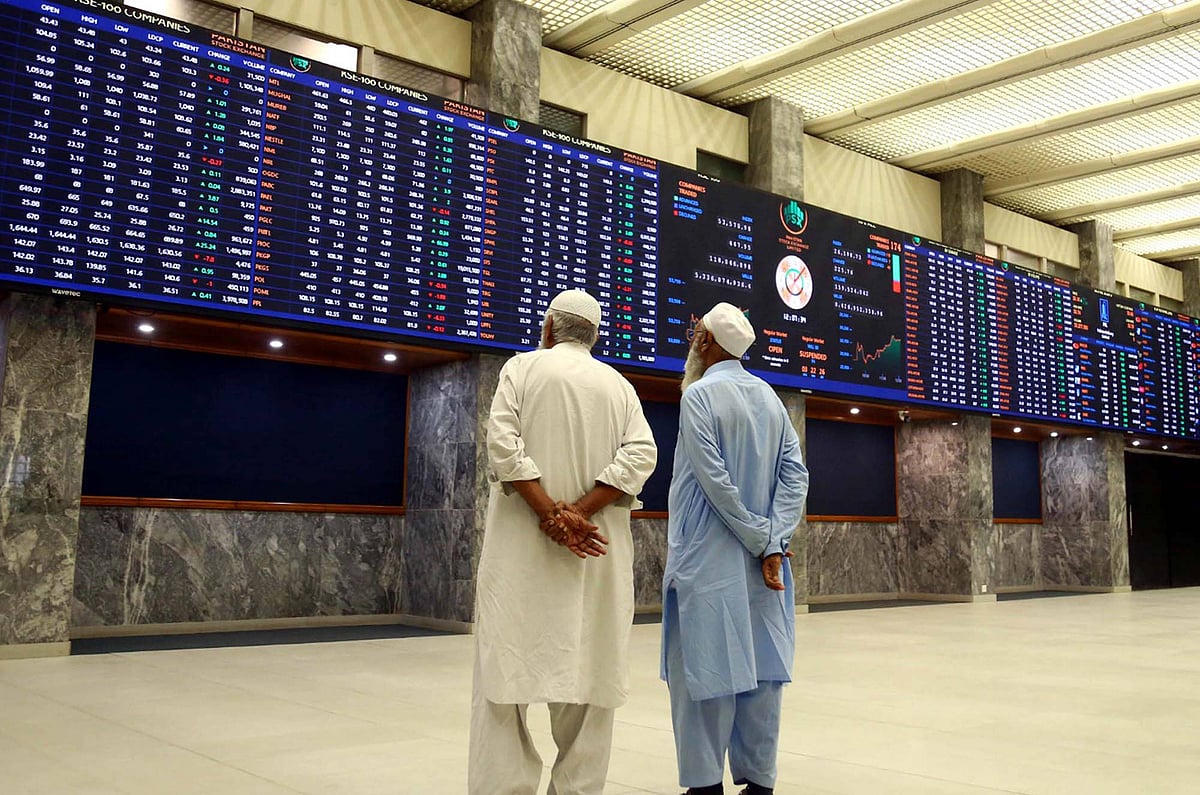
Pakistan cannot meaningfully fight economic distress and mass unemployment unless its resources are freed from control by the highest echelons of its military, bureaucracy and the political class
Hundreds of fishermen straying into disputed waters in Sir Creek are arrested each year. Activists are collaborating across the India–Pakistan border to bring them home.
Global isolation of the Taliban has contributed to a proliferation of terror groups endangering Afghanistan, Southasia and the world. Conditional engagement offers a better way forward.
Not learning from the past, Islamabad is unleashing a new military operation against Baloch insurgency and Islamist extremism, continuing a vicious cycle of violence instead of addressing Baloch grievances through constitutional means
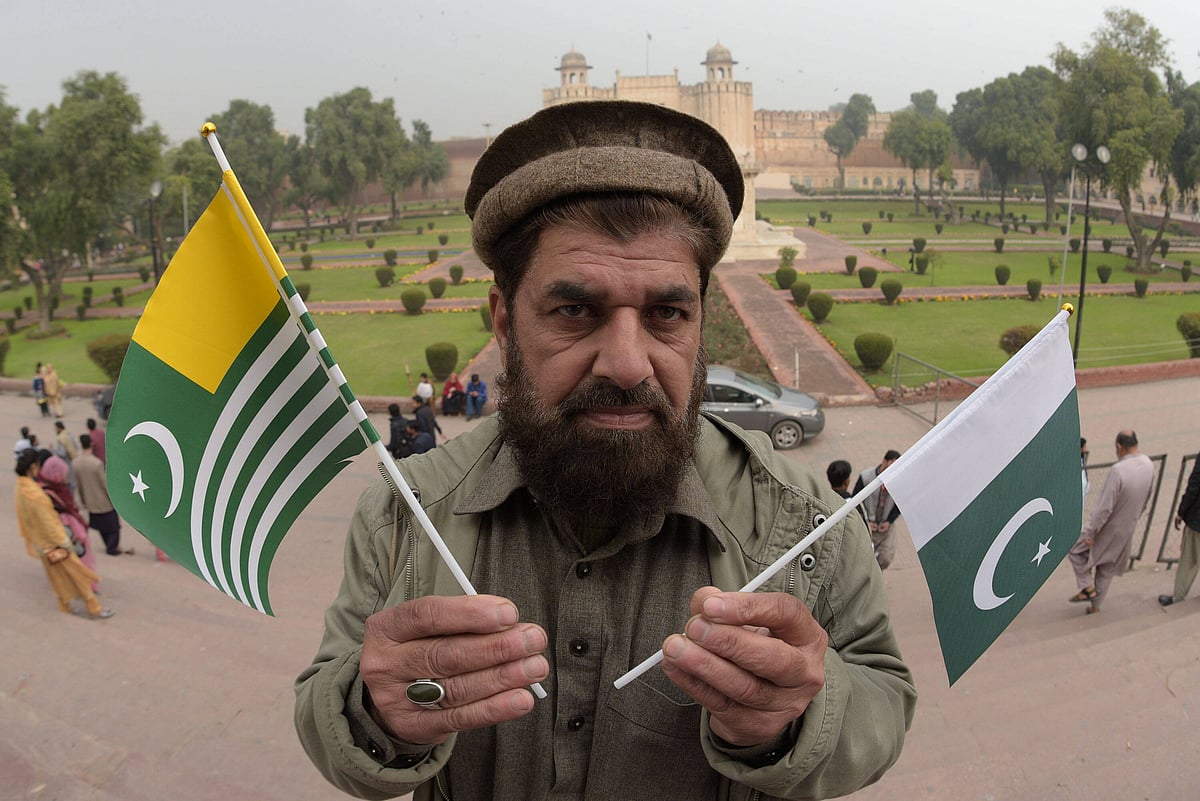
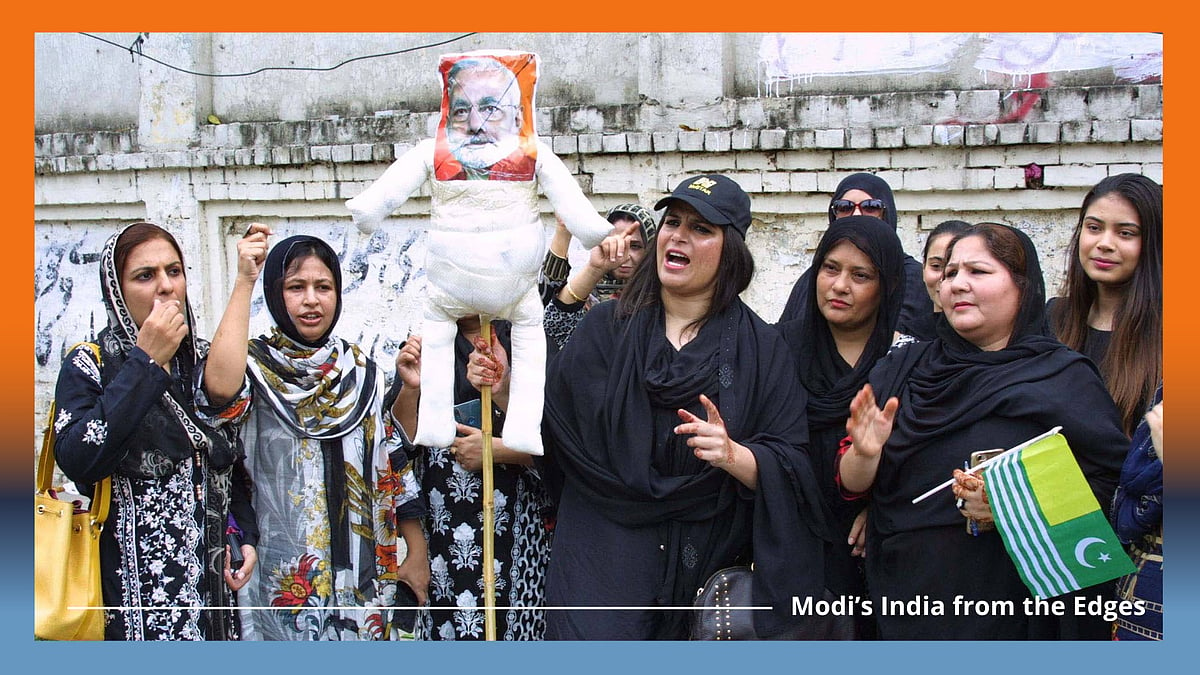
Mass protests and seething local resentment show that Islamabad continues to control and exploit the nominally autonomous region it calls Azad Kashmir, or “Free Kashmir”
Journalist and editor Laxmi Murthy examines the stark deterioration of media independence and freedom of expression in Southasia, and its implications for elections and democracies
Climate change is driving an increase in snakebites and envenomation deaths in India, Pakistan, Nepal, Sri Lanka and beyond – and community-driven solutions are leading the fightback
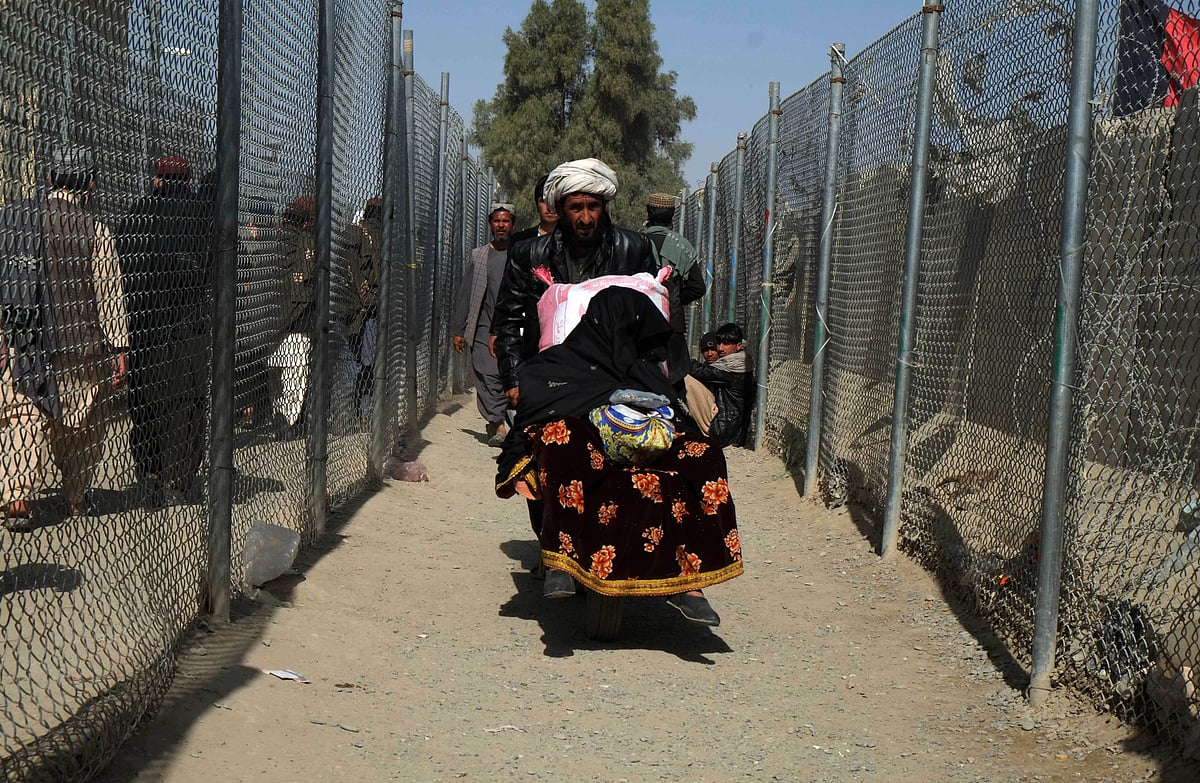
Hundreds of thousands of Afghans in Pakistan face forcible deportation even after they were officially registered – including women, journalists and others especially vulnerable to repression by Afghanistan’s Taliban government
Mired in economic and internal crises, Pakistan is primed for normalisation and trade with India – but Narendra Modi’s Hindu nationalist government, beholden to anti-Muslim politics, is failing to seize the chance
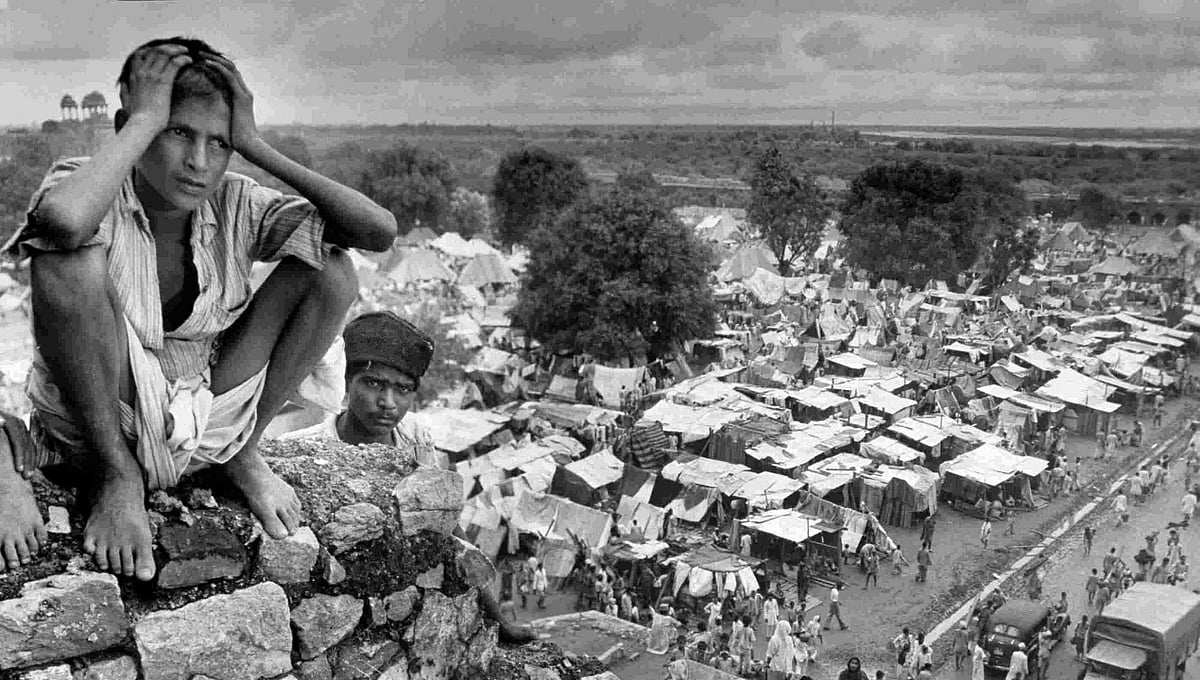
Three recent volumes show historians moving beyond assumptions of a bounded Subcontinent, contextualising the 20th century by centring regional and local politics that complicate nation-state narratives